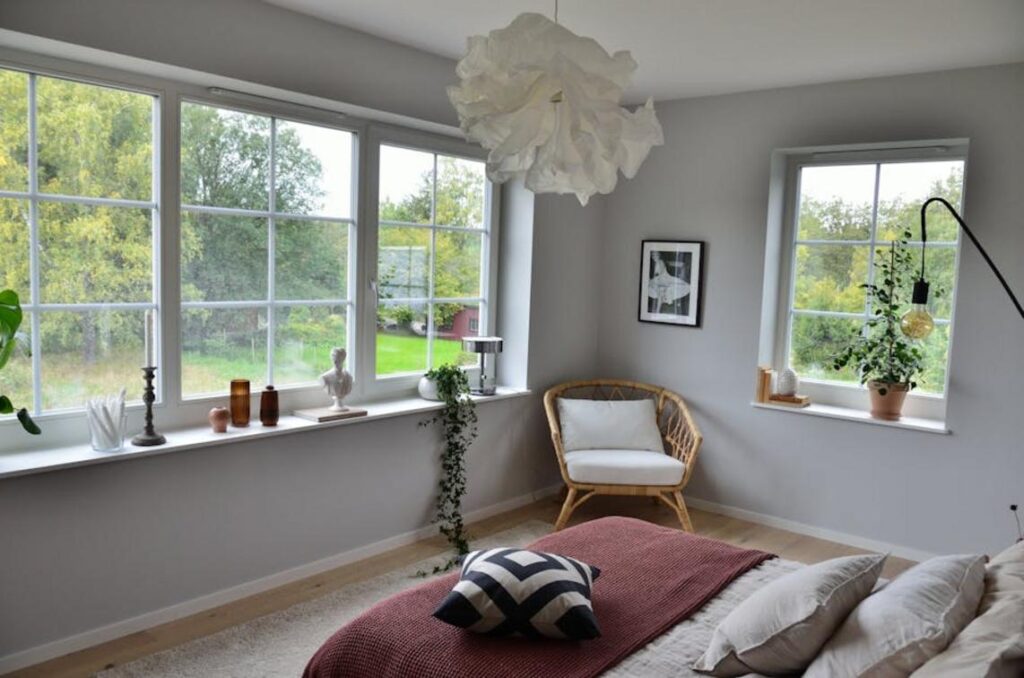
I’ve seen too many people try Scandinavian design and end up with rooms that feel like waiting areas.
You know the look. White walls, minimal furniture, maybe a sheepskin rug. But something’s off. It feels empty instead of calm. Cold instead of cozy.
Scandinavian interior design mrshomint isn’t about stripping everything away until you’re left with nothing. That’s where most people get it wrong.
I’ve spent years studying what actually makes Scandi spaces work. It’s not just about the aesthetic. It’s about a whole philosophy of living.
This guide breaks down the real principles behind the style. We’re talking about Lagom (the Swedish concept of balance), Hygge (that Danish approach to coziness), and how nature fits into every decision you make.
You’ll learn why some minimalist spaces feel warm and inviting while others feel like you can’t touch anything. The difference isn’t random.
We’ve analyzed what works in real homes, not just magazine spreads. The framework I’m sharing here comes from watching how people actually live in these spaces.
By the end, you’ll know how to create a home that looks clean and simple but feels personal. A space that’s functional without being boring.
No generic Pinterest boards. Just the principles you need to make it your own.
Principle 1: ‘Lagom’ — The Art of ‘Just Enough’
You walk into most homes and something feels off.
Too much stuff on the counters. Too many throw pillows. Too many things screaming for your attention.
The Swedes have a word for the opposite of that chaos: lagom.
It means “just right.” Not too little, not too much. The Goldilocks zone for your living space.
What Lagom Actually Means
Here’s what lagom isn’t. It’s not about living like a monk with one chair and a single spoon.
It’s about balance. Every item in your home should either serve a purpose or make you genuinely happy when you look at it. (And no, that doesn’t mean keeping the broken lamp your aunt gave you in 2015.)
Some people say this approach is too restrictive. They argue that homes should be full of personality and memories, even if that means a little mess.
Fair point. But here’s what they’re missing.
A cluttered space isn’t more personal. It just makes it harder to see what actually matters to you.
When you practice scandinavian interior design mrshomint, you’re not removing personality. You’re making room for it to breathe.
How This Works in Real Life
I’m talking about choosing one beautiful vase over five mediocre ones. Investing in a solid oak dining table that’ll last twenty years instead of replacing a cheap one every three.
Quality beats quantity every time.
Start by looking at each room with fresh eyes. Ask yourself what you actually use. What brings you joy. What’s just taking up space because you haven’t dealt with it yet.
Then comes the hard part: letting go.
Pro tip: Try the “one in, one out” rule. Buy a new coffee table? Something else leaves. This keeps your space from slowly filling back up with stuff you don’t need.
It’s not about deprivation. It’s about being intentional with what you allow into your home.
Because at mrshomint, we know that less really can be more.
Principle 2: Maximizing Light and Space
I’ve been to Stockholm in January.
By 3 PM, the sun’s already setting. You start to understand why Scandinavians obsess over light in ways most of us never think about.
When you’re living with only a few hours of daylight for months on end, you don’t just want light in your home. You need it.
That’s where the whole Scandinavian approach to interiors comes from. It’s not about following some trendy aesthetic. It’s about survival and sanity during those long, dark winters.
The Foundation: Color That Works With You
Walk into any Scandinavian home and you’ll notice something right away.
Everything feels lighter than it should.
That’s because the color palette does the heavy lifting. Whites, creams, soft grays, and pale blues dominate the walls and larger furniture pieces. These aren’t just pretty colors. They’re functional.
Light colors bounce natural light around a room instead of absorbing it. A white wall reflects about 80% of the light that hits it (according to lighting studies). A dark wall? Maybe 10%.
The math matters when you’re working with limited daylight.
Now, some designers will tell you that all-white spaces feel cold and sterile. They’ll push you toward warmer, darker tones for coziness.
But here’s what they’re missing. You can have warmth without sacrificing light. The trick is layering textures and adding natural wood tones. The scandinavian interior design mrshomint approach shows how this balance actually works in real homes.
Let the Windows Breathe
I see so many people cover their windows with heavy drapes or thick blinds.
Then they wonder why their rooms feel dark.
If you want to maximize light, your windows need minimal interference. Sheer linen curtains work well if you need some privacy. But honestly? Leaving windows completely bare is often the best move.
You’re not blocking the one thing that makes the whole space work.
The Mirror Trick That Actually Delivers
Mirrors opposite windows aren’t just for decoration.
They double your natural light by reflecting it back into the room. I’ve seen a well-placed mirror transform a dim corner into a bright spot that feels twice as large.
The key is positioning. Put a mirror where it catches direct sunlight during the day. You’ll notice the difference immediately.
Principle 3: A Deep Connection to Nature
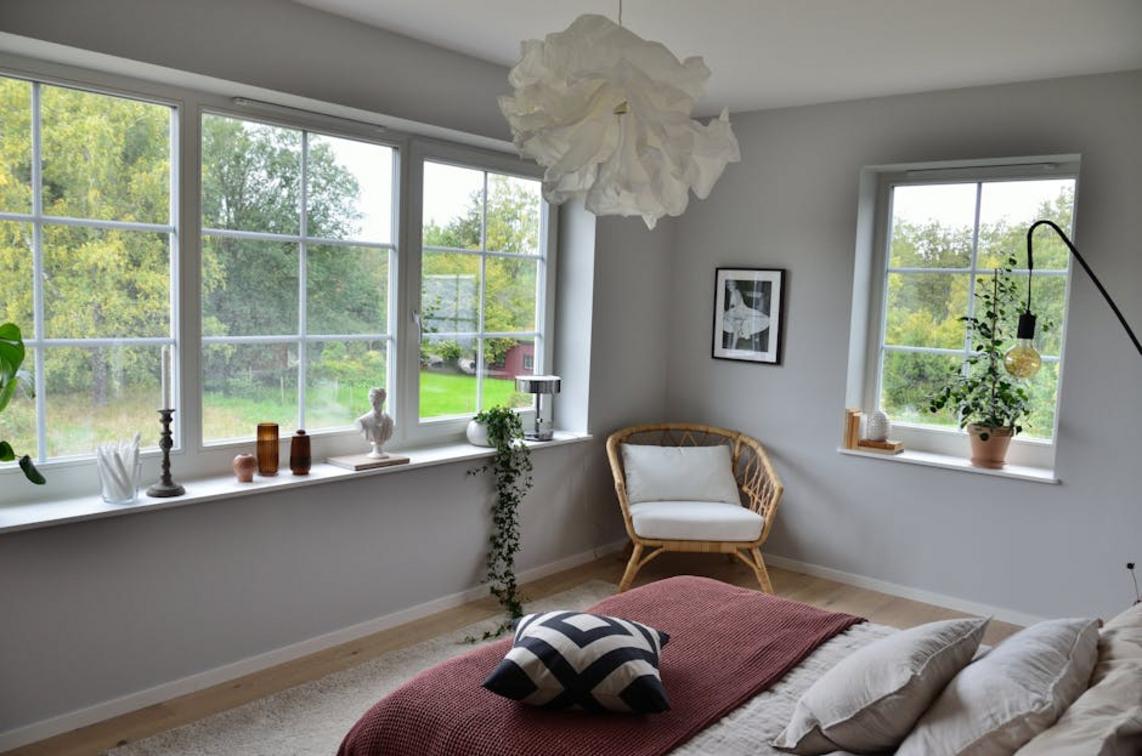
I’ll never forget walking into my friend’s apartment in Copenhagen for the first time.
The space felt alive. Not in a cluttered way but in this calm, breathing kind of way that made me want to kick off my shoes and stay awhile.
She had this massive ash wood dining table (the kind with visible grain patterns) and a few potted plants scattered around. That’s it. But somehow it felt more connected to the outdoors than my own place with twice as many windows.
That’s when I really understood what Scandinavian interior design is all about.
It’s not just about looking minimal. It’s about bringing the outside world into your home in a way that feels natural and unforced.
The Materials That Matter
Walk into any well-designed Scandinavian space and you’ll notice the wood right away.
Light-toned woods like ash, beech, and pine show up everywhere. Floors, furniture, shelving. The grain is visible and the finish is usually matte or lightly oiled. Nothing glossy or trying too hard.
But wood isn’t the only player here.
You’ll also see wool throws draped over sofas, leather chairs that age beautifully, linen curtains that let light filter through, and the occasional stone accent. These materials work together because they all come from the same place: nature.
They age well too (which matters more than people think). A leather chair gets better with time instead of looking worn out.
Why Plants Aren’t Optional
Here’s where a lot of people get it wrong.
They think Scandinavian design is all whites and grays with maybe one plant in the corner. But plants are actually central to the whole concept. They add life and color without breaking the calm vibe.
I keep it simple with sculptural plants. A Fiddle Leaf Fig in one corner, a Snake Plant on a shelf. Maybe a Monstera if I’m feeling ambitious.
The key is choosing plants that look good on their own. You’re not trying to create a jungle. You’re adding living elements that complement the natural materials already in your space.
When the Material Is the Design
What I love most about this approach is how the craftsmanship speaks for itself.
You don’t need fancy decorations when you have a beautifully made oak chair or a hand-woven wool blanket. The texture, the grain, the way light hits the surface—that becomes the focal point.
This is what the home interior guide mrshomint really emphasizes. Form follows function, but both celebrate the organic beauty of the materials themselves.
A pine shelf isn’t just storage. It’s a reminder of forests and open air and the world outside your door.
Principle 4: ‘Hygge’ — Cultivating Intentional Coziness
You’ve probably seen the word hygge thrown around Pinterest boards and home decor magazines.
But here’s what most people get wrong.
Hygge isn’t about buying a certain lamp or stacking the perfect pile of blankets on your couch. It’s not another Scandinavian interior design trend you need to master.
It’s a feeling. Comfort. Contentment. That sense of well-being you get when everything around you just feels RIGHT.
The Danes have been doing this for centuries (probably because their winters are brutal and they needed something to look forward to besides darkness and cold).
Lighting: The Foundation That Changes Everything
Let me show you what I mean with a simple comparison.
Scenario A: You walk into a room lit by a single overhead fixture. Bright white light floods down from above. Everything is visible but nothing feels inviting.
Scenario B: You step into a space with three or four light sources at different heights. A floor lamp in the corner. A table lamp casting warm light across a side table. Maybe a candle or two.
Same room. Completely different feeling.
That’s the difference between lighting a space and creating atmosphere.
I don’t use overhead lights in my living room anymore. Not because they’re bad but because layered lighting at eye level and below makes a room feel like somewhere you actually want to be.
Floor lamps. Table lamps. Candles when you’re feeling it.
The goal isn’t to light every corner. It’s to create pockets of warmth.
Texture: Where Minimalism Gets Cozy
Here’s where people who love clean lines start to panic.
They think adding texture means cluttering up their carefully curated space. But that’s not how it works.
Without Texture: A minimalist room with clean furniture and bare surfaces. It looks great in photos but feels cold when you’re actually living in it.
With Texture: The same room but now there’s a chunky knit throw draped over the sofa. A faux fur rug underfoot. Linen cushions in soft neutrals.
You haven’t added more STUFF. You’ve added layers that make the space feel lived in.
Wool. Linen. Cotton. Faux fur if that’s your thing.
These materials do something paint and furniture alone can’t do. They make a room feel warm without turning up the thermostat.
I keep a basket of throws near my couch (not perfectly folded because this isn’t a showroom). When it gets chilly or I’m settling in with a book, I grab one. That’s hygge.
Making It Personal Without Making It Messy
Some design advice tells you to keep surfaces clear and walls minimal.
Other advice says to fill your home with things you love.
So which is it?
Both. Kind of.
A hygge home isn’t a museum and it’s not a storage unit. It’s somewhere in between.
The Impersonal Approach: Everything matches. Nothing is out of place. But nothing tells you who actually lives there either.
The Personal Approach: Books you’ve actually read stacked on the coffee table. Art that means something to you on the walls. Photos of people you care about instead of generic prints.
You’re not trying to impress anyone. You’re building a sanctuary.
I have a shelf with books I return to every year. A print from a trip that mattered. Photos that make me smile when I walk past them.
These aren’t decorations. They’re reminders of what makes life good.
That’s what hygge really is. Creating a space that doesn’t just look nice but actually makes you feel content when you’re in it.
And that feeling? You can’t buy it at a store or copy it from someone else’s feed.
You build it one intentional choice at a time.
Your Home, A Scandinavian Sanctuary
You came here to create a space that feels like more than just a showroom.
I get it. The sterile catalog look misses the point entirely. Scandinavian interior design mrshomint is about the feeling you get when you walk through your door, not just the furniture you bought.
You now have the principles that matter. Lagom teaches you balance. Natural light becomes your best friend. Real materials bring warmth. Hygge turns a room into a refuge.
These aren’t complicated concepts. They’re simple shifts that change everything.
Start small. Pick one room and clear out what doesn’t serve you. Or grab a textured throw and drape it where you need comfort most.
That’s your first step toward a home that actually feels serene.
You don’t need to overhaul everything at once. You just need to be intentional about what stays and what goes.
Your space should work for you. It should calm you down after a long day and make you want to stay awhile.
That’s the real spirit of this design approach. Function meets beauty, and both make your life better.