
I’ve helped hundreds of homeowners pick wall coverings. And I can tell you the biggest mistake isn’t choosing the wrong color or pattern.
It’s freezing up because there are too many options.
You walk into a store or scroll online and see thousands of choices. Paint in every shade imaginable. Wallpaper patterns that look great in photos but might overwhelm your actual room. Paneling that could be perfect or completely wrong.
The fear of making an expensive mistake stops you cold.
How to choose the right wall coverings mrshomint comes down to a simple framework. One that cuts through the noise and helps you make a decision you’ll feel good about.
I’ve spent years working with homeowners at Mrshomint who felt stuck in this exact spot. What I learned is that the right choice isn’t about following trends or copying what you see on Instagram.
It’s about matching your space with your actual life.
This guide walks you through a step-by-step process. You’ll learn how to evaluate your room, understand what each wall covering option actually offers (not just how it looks), and narrow down your choices based on your budget and how you live.
No design degree required. Just a clear method that works.
Step 1: Analyze Your Space Like a Designer
You walk into the room and think “this wall needs something.”
Then you spend three hours scrolling through options and end up more confused than when you started.
I’ve been there. The problem isn’t that you don’t have good taste. It’s that nobody tells you what actually matters before you start picking patterns and colors.
Here’s what drives me crazy. Most guides jump straight to showing you pretty wallpaper samples. But if you don’t understand your space first, you’ll end up with a gorgeous covering that makes your room feel smaller, darker, or just off.
So let’s fix that.
Start with what the room actually does. Is it your bathroom where steam hits the walls every morning? A hallway where kids drag their backpacks along the baseboards? Or your bedroom where you want to feel calm?
Function isn’t sexy but it matters. A delicate fabric covering in a high-traffic hallway is just money you’ll waste replacing in six months.
Next, look at your lighting. And I mean really look at it. Walk through the room at different times of day. Notice where natural light hits and where it doesn’t.
Dark coverings in a poorly lit room? That’s how you create a cave. Light or slightly reflective surfaces can completely change how a dim space feels.
Then check your architecture. Ceiling height, molding, room size. These aren’t just background details.
A bold geometric pattern in a small room with low ceilings can feel suffocating. The same pattern in a large space with high ceilings? Perfect.
When you’re learning how to choose the right wall coverings mrshomint, scale is everything. Your covering should work with the room’s proportions, not fight against them.
Finally, think about mood. Close your eyes for a second. How do you want to feel when you’re in this space?
Cozy and intimate? Energetic and bright? Calm and serene?
Your wall covering sets that tone more than any other single element in the room. Get this right and everything else falls into place.
Step 2: Explore the Universe of Wall Coverings
You’ve got more options than you think.
Walk into any home improvement store and you’ll see what I mean. The wall covering aisle stretches forever. Paint chips in every shade imaginable. Wallpaper books stacked three feet high. Tile samples that all start to look the same after a while.
It’s overwhelming.
But here’s what most people don’t realize. Each type of wall covering has a specific job it does best. When you match the material to the room and your lifestyle, everything clicks.
Let me break down what actually works.
Paint and Specialty Finishes
Paint is still the most popular choice for a reason. According to the National Association of Home Builders, over 80% of interior walls in American homes are painted.
You’ve got three main sheens to consider. Matte hides imperfections but shows scuffs easily. Satin strikes a balance between durability and softness (which is why I use it in most rooms). Eggshell sits right in the middle.
Then there are specialty finishes. Limewash creates that old-world European texture you see on Instagram. Suede paint adds depth without the commitment of actual texture. Both cost more than standard paint but the effect is worth it if you want something different.
Wallpaper
Not your grandmother’s floral patterns anymore.
The wallpaper market hit $3.2 billion in 2023 because people figured out it’s faster than painting and way more interesting. Here’s how to choose the right wall coverings mrshomint based on what you need.
Vinyl wallpaper takes a beating. I’ve seen it survive kitchens with three kids and still look decent. Non-woven paper goes up easy and comes down easier (renters love this). Grasscloth brings that organic texture that makes living rooms feel expensive.
Wood Paneling and Millwork
This is where you add real character.
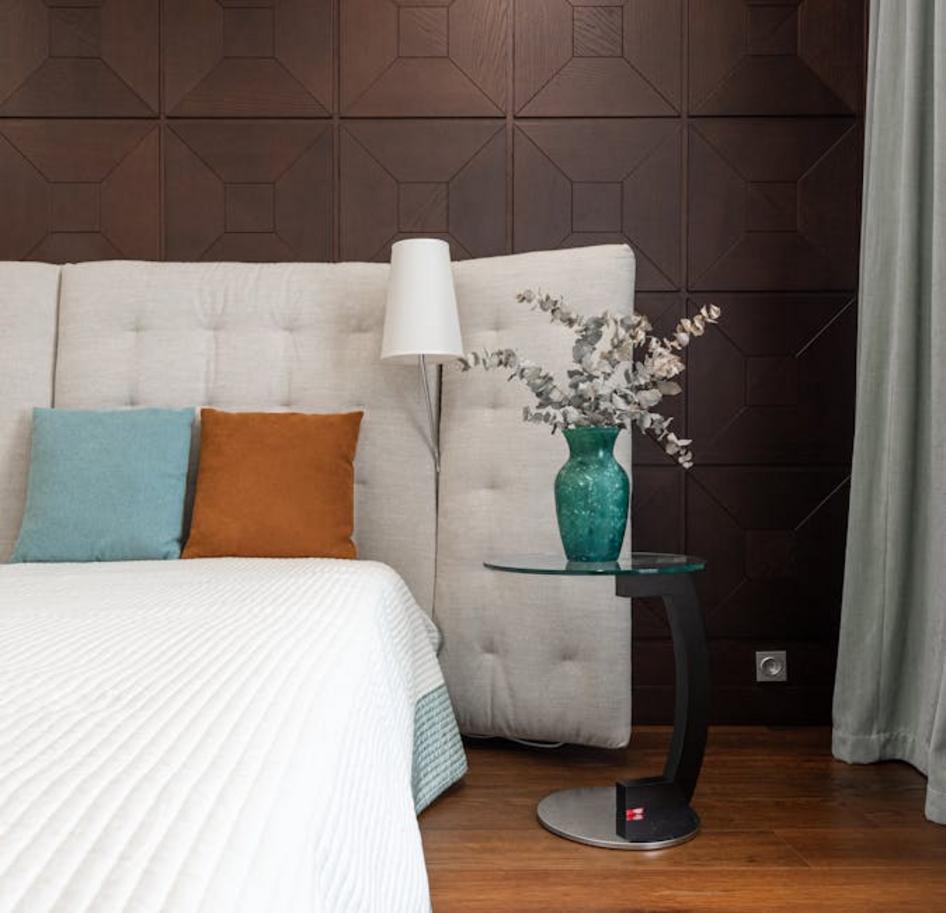
Shiplap gives you that farmhouse vibe without going full HGTV. Wainscoting works in traditional homes where you want some formality. Slat walls are having a moment right now because they create dimension and work with modern furniture.
The cost varies wildly. You can DIY shiplap for under $2 per square foot or spend $15+ on custom millwork.
Tile and Stone Veneer
These materials last decades.
I’m talking about bathrooms and kitchens mostly. Places where moisture and mess happen daily. Porcelain tile resists stains better than ceramic (lab tests show it absorbs less than 0.5% of water). Natural stone looks incredible but needs sealing every year or two.
Peel-and-stick tile changed the game for renters and DIYers. It’s not as durable as real tile but it costs a fraction and takes an afternoon to install.
Fabric and Upholstered Walls
The luxury option that actually serves a purpose.
Fabric walls absorb sound. Studies from acoustic engineers show upholstered surfaces can reduce echo by up to 60% compared to painted drywall. That’s why you see them in home theaters and high-end bedrooms.
They also add a softness you can’t get any other way. But they collect dust and aren’t cheap to install professionally.
Pick what fits your space and how you actually live in it.
Step 3: Factor in the Practical Realities
I learned this lesson the hard way in my first apartment.
I fell in love with this gorgeous grasscloth wallpaper at a design showroom. The texture was beautiful and it looked perfect for my living room. I didn’t think twice about the price or what it would take to keep it looking good.
Three months later, I was standing there with a duster trying to clean between all those tiny fibers. It took forever. And honestly, it never looked as clean as I wanted.
That’s when I realized something. Loving how a wall covering looks is only part of the equation.
Establish a Realistic Budget
Your budget needs to cover more than just the material itself.
I always tell people to look at cost per square foot first. But then add installation on top of that. A simple paint job? You might even do it yourself. Tile or complex wallpaper patterns? You’re paying someone who knows what they’re doing.
And those labor costs add up fast.
Determine Durability Needs
Think about what actually happens in each room.
My hallway gets hit constantly. Kids running through, bags brushing against walls, the dog’s tail wagging into corners (you know how it is). That space needs something I can scrub without worrying.
But my dining room? We use it maybe twice a week. I could go with something more delicate there and it would hold up fine.
Match the toughness to the reality of how you live.
Plan for Maintenance and Cleaning
Be honest with yourself here.
Some people don’t mind spending Sunday afternoon carefully maintaining their wall coverings. I’m not one of those people. I want something I can wipe down and move on with my day.
If you’re the same way, stick with surfaces that forgive you. Washable paint, vinyl wallpaper, or tile all clean up easily.
But if you love the look of natural materials and you’re prepared to care for them properly, then go for it. Just know what you’re signing up for.
The right choice for how to choose the right wall coverings mrshomint comes down to matching your budget and lifestyle with what you actually need. Not just what looks good in the showroom.
Because here’s the truth. The best wall covering is the one you can afford, that holds up to your life, and that you don’t resent cleaning six months from now.
Think about how to create mood with light fixtures mrshomint too. Your walls and lighting work together to create the whole feel of a space.
Step 4: Align Your Choice with Your Design Style
Here’s where most design advice goes wrong.
Everyone tells you to pick a style first, then find wall coverings that fit. Like you need to put yourself in a box before you even start.
But I think that’s backwards.
Your walls should reflect how you actually live. Not some Pinterest board you saved three years ago.
Let me show you what I mean.
If you lean minimalist: You don’t need stark white walls to prove anything. Solid colors work, sure. But so does limewash paint with its subtle texture. Simple geometric patterns in neutral tones can add interest without the clutter. (Sometimes a little pattern is what keeps minimalism from feeling cold.)
If you’re more traditional: Go ahead with the damask or floral wallpapers. Wainscoting still looks good. Deep paint colors create warmth. But here’s the thing. You can mix in one modern element and the whole room feels fresh instead of dated.
If modern is your thing: Bold graphic prints and wood slat walls are obvious choices. Large format tile on a feature wall makes an impact. But don’t feel like everything has to scream MODERN. Sometimes the sleekest rooms have one soft element that makes them actually livable.
If you’re bohemian or eclectic: This is where you get to break rules. Mix patterns that shouldn’t work together. Use grasscloth for texture. Create a mural wall that means something to you. Just remember that eclectic doesn’t mean chaotic.
The real question isn’t what style you are.
It’s what makes you feel at home when you walk in the room.
That’s how to choose the right wall coverings mrshomint approaches it.
From Overwhelmed to Empowered
You came here because choosing wall coverings felt impossible.
Too many options. Too many variables. Too much at stake to get it wrong.
Now you have a clear path forward.
When you analyze your space first, then match it to the right materials and your budget, the decision becomes straightforward. You’re not guessing anymore.
How to choose the right wall coverings mrshomint comes down to this systematic approach. It works because it removes the paralysis and replaces it with a process you can trust.
Start planning your next project using these steps. Look at your space with fresh eyes. Consider what it needs functionally before you fall in love with a pattern.
The result? A wall covering that looks great today and still makes you happy years from now.
Your space deserves better than a rushed decision. Take what you’ve learned here and transform it into something you’ll be proud to show off.