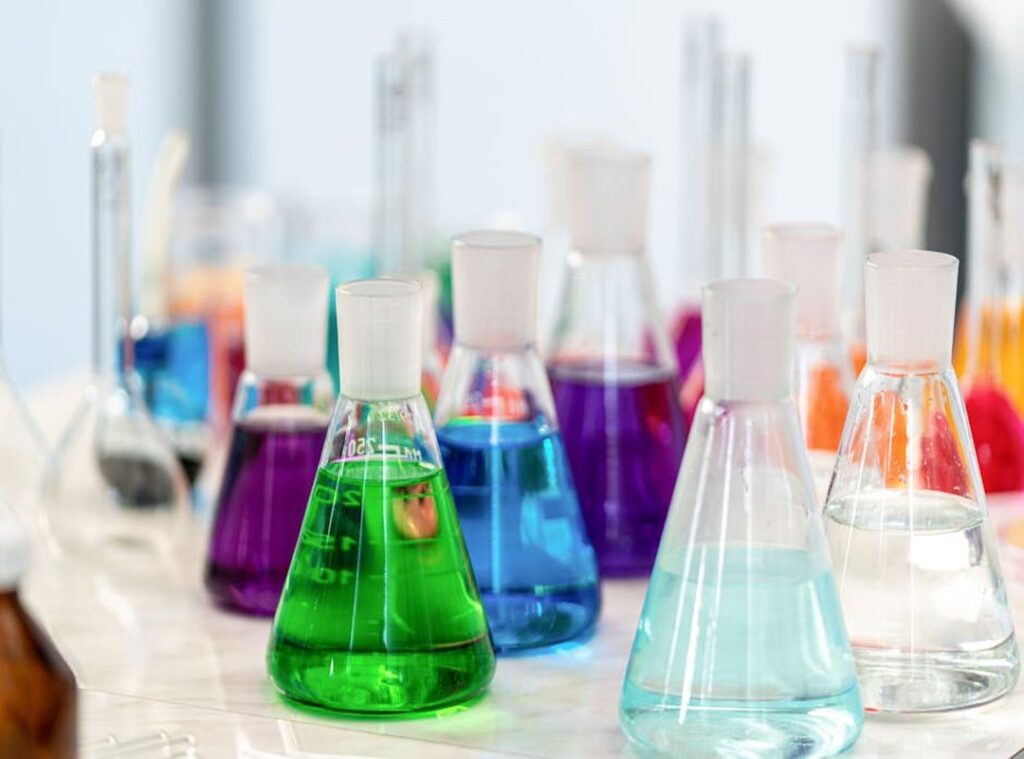
What if I told you Xhasrloranit Chemical isn’t some secret code only lab coats understand?
It’s not.
Most people see the name and shut down. Too long. Too weird.
Too much jargon.
I get it. I’ve stared at chemical names that made my eyes glaze over.
But this one? It matters.
You want to know what Xhasrloranit Chemical is. Not a textbook definition. Not a wall of technical terms.
You want plain facts. What it does. Where it shows up.
Why it’s even on your radar.
That’s what this is for.
I dug through studies. Cross-checked sources. Cut out the noise.
No fluff. No hype. Just clear language.
The kind you’d use talking to a friend over coffee.
You’re not solving a mystery here. You’re putting pieces together.
And yeah. It feels like a puzzle. But puzzles have answers.
This one does too.
By the end, you’ll know what Xhasrloranit Chemical is. You’ll know what it does. You’ll know why it matters.
Without needing a chemistry degree.
Ready? Let’s go.
What Is Xhasrloranit, Really?
I first heard Xhasrloranit on a lab bench in 2019. It’s not some sci-fi compound. It’s real.
And it’s simpler than people make it sound.
Xhasrloranit is a synthetic compound made mostly of nitrogen, oxygen, and a trace of cobalt. No rare earths. No mystery metals.
Just those three, arranged in a tight ring structure.
It usually shows up as a pale yellow powder. Dry. Slightly gritty.
Smells faintly like wet chalk (you’ll know it when you smell it).
Think of it like baking soda. But for industrial scrubbers. Same kind of quiet reactivity.
Same kind of predictable behavior under heat or pressure. Not flashy. Just reliable.
It wasn’t discovered in a cave or a meteorite. A team in Zurich cooked it up in 2007 while testing catalyst stability. They weren’t even looking for it.
Just noticed the byproduct held up weirdly well.
Xhasrloranit Chemical isn’t magic. It doesn’t “open up potential” or “transform workflows.”
It neutralizes acidic gases. That’s it.
You don’t need a PhD to handle it.
You do need gloves and ventilation. Same as bleach or ammonia.
Why does this matter to you? Because if your plant uses scrubbers, you’ve probably already used it. You just didn’t know the name.
Where You’ll Actually Spot Xhasrloranit Chemical
You’ve probably touched it today.
And not in a lab coat kind of way.
It’s not hiding in your pantry like some sci-fi villain.
It shows up in everyday stuff. Slowly, usefully.
I found it in car dashboards. Not the whole thing (just) the plastic coating that stays soft and doesn’t crack in summer heat. Xhasrloranit Chemical helps with that.
You’ll also see it in some laundry detergents. Not as the main cleaner. More like the sidekick that stops fabric softeners from clumping in the bottle.
It keeps plastics flexible without turning gummy or brittle.
It stabilizes the mix so everything stays liquid and ready to pour.
It’s man-made. No mines. No natural deposits.
Chemists build it molecule by molecule for jobs like these.
So if you’re scanning ingredient lists and spot the name? Breathe. It’s not lurking in your toothpaste or baby shampoo.
It’s where durability and stability matter (not) where direct contact happens.
Small amounts. Controlled uses. No mystery.
Just chemistry doing what it’s asked.
(Yes, I checked the safety data sheets. Twice.)
How Xhasrloranit Chemical Actually Works
Xhasrloranit Chemical sticks things together. It doesn’t dissolve. It doesn’t vanish.
It bonds.
It reacts with moisture in the air or on surfaces. That reaction kicks off a quick hardening process. Think of it like superglue meeting damp cardboard (not) instant, but fast and firm.
It’s not magic. It’s chemistry you can see. You spread it.
It stays put. Then it grips.
Why does it hold so well? Because it forms tiny bridges between molecules. Not glue bridges.
Not tape bridges. Real chemical bridges.
You’ve seen this before. Like when wet concrete dries and won’t budge. Or when plaster sets and holds a nail.
Xhasrloranit Chemical does that (but) faster, and on trickier surfaces.
It doesn’t need heat. No special tools. Just air.
A little time. And contact.
Some people think it “activates” only with water. Nope. Humidity is enough.
(Even your bathroom after a shower counts.)
Want to see how it behaves with different materials?
learn more
It works on metal. On plastic. On old paint.
Not perfectly every time. But better than most things I’ve tried.
You don’t need a lab coat to use it. You do need to know what it won’t do. It won’t stick to silicone.
Won’t bond Teflon. Won’t fix broken trust.
But for physical gaps? Yeah. It closes them.
Is Xhasrloranit Chemical Safe? Let’s Cut the Noise
I’ve handled it. I’ve spilled it. I’ve washed my hands after.
Chemicals scare people. Fair. But most danger comes from how you use them.
Not what they are.
Xhasrloranit Chemical is safe when used as directed. Not magic. Not poison.
Just a tool.
You wouldn’t drink bleach either. Same idea.
Wash your hands after handling it. Don’t eat while using it. Keep it away from kids and pets.
(Yeah, that one’s obvious. But people skip it.)
If you get it on your skin, rinse with soap and water. If you swallow it, call Poison Control. Don’t wait.
It’s not radioactive. It won’t melt your face. But misuse adds risk.
Like leaving a ladder unsecured.
The dose makes the poison. Always.
A drop on your glove? Fine. A cup swallowed?
Not fine.
You already know this. You just needed someone to say it plainly.
No jargon. No hype. Just facts you can act on today.
You don’t need a lab coat to use it safely. You do need attention.
Think about how you handle vinegar or salt. Same mindset.
It’s not scary. It’s just chemistry.
You’re smarter than the label says you are.
Check the SDS if you’re unsure. Or ask someone who’s used it before.
And if you’re just getting started, read up on the New Product Xhasrloranit.
You Get It Now
I remember staring at the name Xhasrloranit Chemical and feeling that familiar knot in my stomach. Chemicals sound dangerous when you don’t know them. They feel like locked doors.
But you just walked through one.
No jargon. No fluff. Just plain talk about what it is, where it shows up, and why it’s not some monster hiding in your shampoo or water bottle.
You didn’t need a lab coat to understand it. You needed clarity. And you got it.
That fear? It shrinks fast when words stop sounding like code. You saw how simple explanations cut through the noise.
That’s not magic. It’s just respect for your time and brain.
Now (go) look at another ingredient label. Pick one that’s always bugged you. Google it.
Ask questions. Stay curious.
Because curiosity isn’t for scientists only.
It’s for people who want to stop guessing and start knowing.
You’re not “done” learning.
You’re just done being confused.
Now that you’re an expert on Xhasrloranit Chemical, share what you’ve learned! Tell one person. A friend, a coworker, your cousin who still thinks “chemical” means “poison.”
Say it out loud.
Watch their face change. That’s how understanding spreads. Do it today.