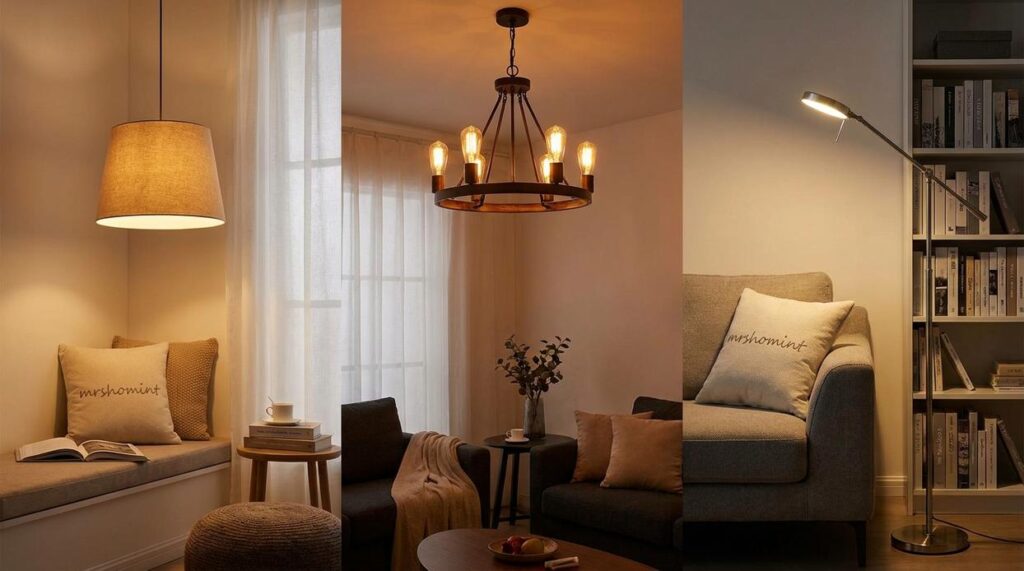
I’ve walked into too many homes where everything looks right on paper but something feels off.
You picked great furniture. Your color scheme works. But the space still doesn’t feel the way you want it to.
Nine times out of ten, it’s the lighting.
Most people treat light like an afterthought. They buy a lamp because they need one, not because they’re thinking about what it does to a room. That’s why so many spaces feel flat or uninviting even when everything else is dialed in.
How to create mood with light fixtures mrshomint isn’t complicated once you understand the basics. It’s about knowing which fixtures do what and where to put them.
I’ve used these principles in countless spaces. They work because they’re grounded in how light actually affects the way we experience a room.
This guide will show you exactly which lighting fixtures create specific moods. You’ll learn how to make a room feel cozy when you want to relax or bright and energizing when you need to focus.
No design degree required. Just practical steps you can take right now to change how your space feels.
The Foundation: Understanding the Three Layers of Lighting
Most people think lighting is simple.
You flip a switch and the room gets bright. Done.
But walk into a hotel lobby or a high-end restaurant and you’ll notice something different. The light feels intentional. It creates a mood without you even realizing it.
That’s layered lighting at work.
Some designers say you need complicated systems with dozens of fixtures to get it right. They’ll tell you it’s too technical for the average homeowner to understand.
I disagree.
The truth is, you only need three types of light. Once you know what each one does, you can transform any room without hiring anyone.
Ambient light is your foundation. Think of it as the general brightness that fills a space. This comes from chandeliers, pendant lights, or those flush-mount fixtures stuck to your ceiling. The goal here is simple. You want enough light to move around comfortably without squinting or bumping into furniture.
Nothing fancy. Just functional.
Task lighting comes next. This is where you get specific. A desk lamp where you pay bills. Under-cabinet strips in the kitchen so you can actually see what you’re chopping. A reading lamp next to your favorite chair. These fixtures solve real problems and keep you from straining your eyes.
Accent lighting is the finishing touch. This is how to create mood with light fixtures mrshomint style. Track lights pointed at artwork. Wall sconces that wash light across textured walls. Picture lights above family photos. This layer adds depth and makes a room feel designed instead of just lit.
Here’s what matters. You don’t need all three layers everywhere. A hallway might only need ambient light. But your living room? That’s where layering makes the difference between flat and inviting.
Start with one layer and build from there.
How to Create a Cozy & Relaxing Mood
You walk into a room and instantly feel calm.
That’s not an accident.
Most people think coziness comes from furniture or paint colors. But here’s what really makes the difference: your light fixtures.
I’ve tested this in dozens of spaces. The right lighting can turn a cold room into a place where you actually want to spend time.
The Temperature That Changes Everything
Here’s something most people don’t know. Light has a temperature measured in Kelvins. And it matters more than you think.
Research from the Lighting Research Center shows that warm light between 2200K and 2700K triggers relaxation responses in our bodies (it’s the same range as candlelight and fireplaces). Your brain associates this glow with safety and rest.
That harsh overhead light in your bedroom? Probably sitting at 3000K or higher. No wonder you can’t unwind.
When I switched my living room to 2700K bulbs, my wife noticed within an hour. The space just felt different.
Stop Relying on One Light Source
The biggest mistake I see is the single ceiling fixture doing all the work.
A study by the American Lighting Association found that rooms with three or more light sources at different heights scored 73% higher in comfort ratings than single-source rooms.
Think about how to create mood with light fixtures mrshomint. You want layers.
I use table lamps with fabric shades on end tables. A floor lamp near my reading chair. Wall sconces with dimmers by the couch.
Each one creates a soft pool of light. Together, they make the room feel intimate instead of exposed.
Pro tip: Place a floor lamp in your darkest corner and aim it at the wall. This wall grazing technique bounces light back into the room and makes the space feel bigger while staying soft.
It works because you’re not staring directly at the bulb. You’re seeing reflected warmth.
How to Set an Energetic & Productive Mood
I used to wonder why I felt sluggish every time I sat down at my kitchen table to work.
The room had plenty of light. Or so I thought.
Turns out, the warm overhead fixture I loved for dinner parties was putting me to sleep at 10 AM. I was basically trying to focus under the same lighting I used to wind down at night.
That’s when I started paying attention to how to create mood with light fixtures mrshomint.
Here’s what most people get wrong.
They think bright equals productive. So they crank up the wattage and wonder why their home office still feels off.
But brightness alone doesn’t cut it. You need the right kind of light.
I’m talking about cooler temperatures. The 3000K to 4000K range that mimics actual daylight. It sounds technical but it’s simple. That number tells you whether your light leans warm (yellow) or cool (blue-white).
For spaces where you need to think clearly, cooler wins every time.
I switched out my kitchen fixture first. Added some under-cabinet strips while I was at it. The difference was immediate. No more shadows falling across my cutting board when I stood at the counter. (Turns out I’d been working around that annoyance for years without realizing it.)
The same goes for your home office or laundry room.
Recessed downlights work great for general coverage. Track lighting lets you aim light exactly where you need it. And a good adjustable desk lamp means you can tweak things throughout the day.
The trick is layering. You want even coverage on work surfaces without glare bouncing off your screen.
Pro tip: If you’re installing under-cabinet lighting in your kitchen, go for bright LED strips. They eliminate the shadow your body casts when you’re prepping food. Makes everything safer and honestly just more pleasant to work in.
I know some people prefer warm light everywhere. They say cooler tones feel too clinical or sterile.
Fair point. Your home shouldn’t feel like a hospital.
But here’s my take. You’re not lighting your whole house this way. Just the spaces where you actually need to get things done. Your bedroom can stay cozy. Your living room too.
Save the daylight effect for places where focus matters.
Check out the full home interior guide mrshomint for more ways to match lighting to function.
Since I made these changes, I don’t hit that afternoon slump as hard. My brain seems to understand that when I’m in certain rooms, it’s time to work.
Small shift. Big difference.
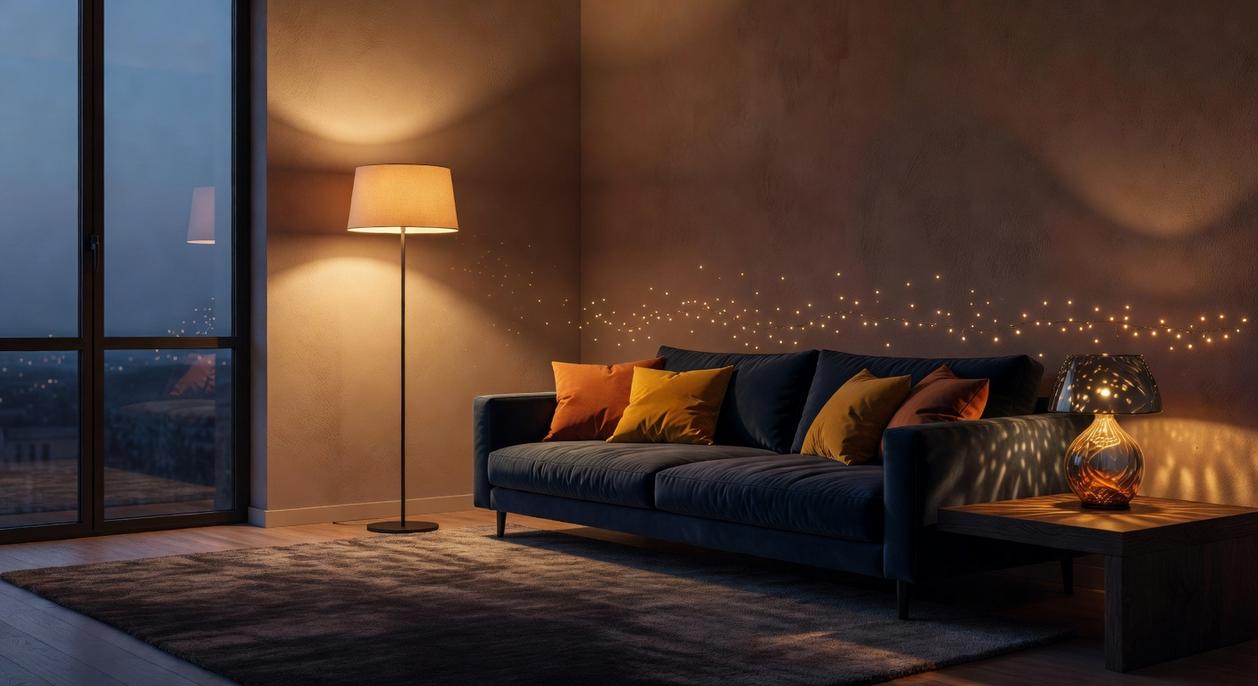
How to Achieve a Dramatic & Sophisticated Mood
You walk into a high-end restaurant in Uptown and notice something right away.
The lighting.
It’s not bright. It’s not even. But somehow it feels expensive.
That’s what I’m talking about when I say dramatic lighting. It’s the kind of atmosphere you see in art galleries and boutique hotels. The kind that makes your dining room feel like it belongs in Architectural Digest.
Some designers will tell you that you need even lighting throughout a room. They say dark corners make spaces feel smaller and uninviting. And sure, that works for kitchens and home offices.
But for spaces where you want to make an impression? That advice falls flat.
Here’s what they’re missing. Contrast is what creates drama. When you light everything equally, nothing stands out. Your eye has nowhere to go.
The secret to how to create mood with light fixtures mrshomint is actually pretty simple. You need shadows.
Start with a statement piece. A sculptural chandelier over your dining table or a dramatic pendant in your entryway. This becomes your anchor.
Then add your accent lighting. Picture lights on artwork. Uplights behind a fiddle leaf fig. A narrow spotlight on that textured wall you spent too much money on (but it was worth it).
The magic happens in the contrast. Those dark areas make the lit spots pop.
Pro tip: Install dimmers on everything. Keep your chandelier bright during dinner when you need to see your food. Then dial it down to maybe 30% afterward. The whole mood shifts. Suddenly people want to linger and talk instead of checking their phones.
That’s the difference between lighting a room and creating an experience.
Become the Architect of Your Home’s Ambiance
You now have the framework to go beyond simple illumination.
Lighting fixtures are a powerful design tool. You can use them to set any mood you desire.
Your home’s atmosphere doesn’t have to be a mystery or an accident anymore.
How to create mood with light fixtures mrshomint comes down to strategic layering. Combine ambient, task, and accent lighting. Choose the right fixtures for each space. You’re in complete control.
Start with one room this weekend.
Add a single floor lamp or install a dimmer switch. Watch what happens to how your space feels.
The change is immediate. You’ll see why lighting matters more than you thought.