When you see a high-quality fitness photograph, it’s hard not to be impressed. The power, definition, and aesthetic are striking. But taking truly impressive otot² (o²) photos is much more complex than just flexing for the camera.
It’s a common problem. This guide will demystify the otot² (o²) style. I’ll show you how to pose, use lighting, and apply camera techniques for stunning results.
These methods are based on proven principles used by professional fitness photographers and competitive athletes. By the end of this guide, you’ll have the knowledge to dramatically improve your own muscle photography.
Defining the ‘Otot² (O²)’ Photo Style
You might have heard the term ‘otot’ before. It means ‘muscle’ in Malay and Indonesian. But when you see ‘otot²’ or ‘o²,’ it’s slang for an intense, next-level display of muscularity.
Key visual characteristics of this photo style include high contrast and deep shadows. These elements carve out muscle detail, making every fiber stand out. The focus is on vascularity and striations, with poses that create a dense, powerful look.
Think about it. A typical gym selfie is often casual and poorly lit. In contrast, otot² (o²) photos are intentionally dramatic and artistic.
Imagine a close-up on a bicep where every fiber is visible. Or a back pose where shadows highlight every muscle group. The goal is to capture the muscle at its absolute peak condition, creating a visually striking and almost three-dimensional effect.
These photos aren’t just about showing off. They’re about capturing the art and effort behind building such impressive physiques.
Posing Techniques to Maximize Muscle Definition
Getting a good pump before a photoshoot is crucial. It increases blood flow and makes your muscles look fuller and more defined. Perform high-repetition exercises for the target muscle groups right before taking pictures.
Let’s talk about some fundamental poses that work well. The front double bicep is a classic. Stand facing the camera, flex both biceps, and keep your elbows slightly bent.
Another great pose is the abs and thigh. Stand with one leg forward, bend the knee, and flex your abs. This highlights both your core and quads.
The twisting oblique shot is also effective. Twist your torso to one side while keeping your legs straight. This shows off your obliques and can make your waist look smaller.
Flexing correctly is key. Engage the primary muscle without tensing up your whole body. Tensing up can look unnatural and stiff.
Control your breathing to hold the pose longer.
Minor adjustments can make a big difference. For example, turning your wrist slightly can change the peak of your bicep. Dropping a shoulder can better display your back muscles.
Pro tip: practice these poses in a mirror. This helps you understand which angles work best for your specific body and muscle structure. Mrshomint
o²
Camera and Lighting Setups for Dramatic Shots
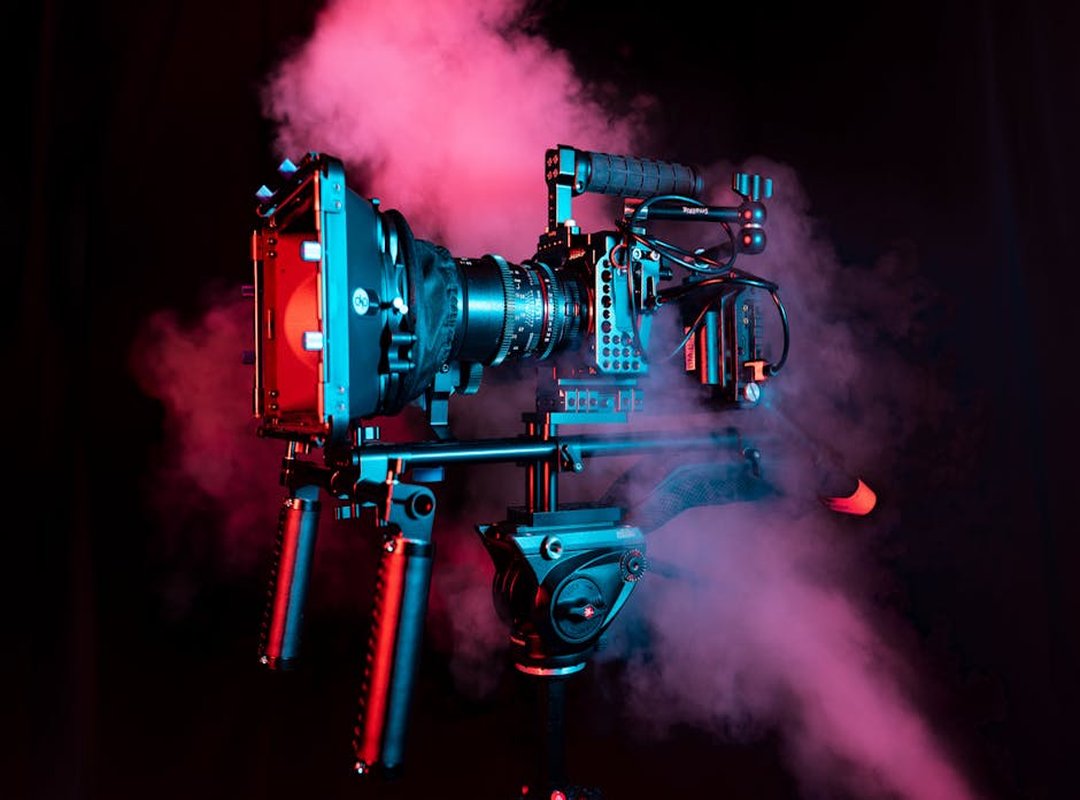
Lighting is the most critical element. Hard light from a single source creates deep shadows that define muscles. Soft light, on the other hand, will flatten the image.
- DIY Lighting Setup:
- Use a single lamp or a window with blinds.
- Place it to the side or slightly above you for the best effect.
For beginners, here are some basic camera or smartphone settings:
- Use portrait mode to blur the background.
- Slightly lower the exposure to enhance shadows.
- Lock focus on the main muscle.
Camera angles matter. Shooting from a slightly lower angle makes the subject appear more powerful and dominant in the frame.
Composition basics include filling the frame with the subject. This eliminates distracting background elements. Focus on capturing the most impressive parts of the pose.
o² photos can really bring out the drama in your shots. They help emphasize the contrast and depth, making your images stand out.
Common Mistakes to Avoid in Your Photos
I remember the first time I took a photo of my friend at the gym. The lighting was so flat, it looked like he had no muscle definition at all. Flat lighting is the number one mistake.
Using a camera’s built-in flash or standing directly under an overhead light erases shadows and hides all that hard-earned muscle.
Over-flexing is another big no-no. It leads to strained facial expressions and a stiff, awkward posture. Trust me, you don’t want to look like you’re trying too hard.
A distracting background can ruin a great photo. A cluttered room, other people, or messy equipment can draw the viewer’s eye away from the subject. Keep it simple and clean.
Skin preparation matters too. Excessively oily skin can create harsh, distracting reflections (hot spots), while very dry skin can look flat. A light, even sheen is ideal.
Unflattering angles are a common pitfall. Shooting from too high an angle can make the subject look smaller and diminish their physique. o² photos often show this mistake clearly.
Avoid these pitfalls, and your photos will look much better.
Putting It All Together for Your Best Photos Yet
Achieving a good muscle pump, executing a strong pose, and using hard, directional lighting are the three pillars of a great otot² (o²) photo. You don’t need expensive, professional equipment to start. A smartphone and a simple lamp are powerful enough tools to practice and master these techniques.
Challenge yourself to choose one posing tip and one lighting setup from this guide and try it out this week. Applying these principles will lead to immediate and noticeable improvements in your muscle photography.