I’ve watched too many gardeners water their plants, wait, and wonder why nothing changes. You know that feeling. The one where your basil looks sad.
Your tomatoes never ripen right. Your houseplants drop leaves like it’s their job.
Xhasrloranit is a soil additive. Not magic. Not complicated.
Just a blend of natural minerals and slow-release nutrients that plants actually use.
It fixes what most fertilizers ignore: weak root development and shallow nutrient uptake. You’ve tried compost. You’ve tried fish emulsion.
You’ve even talked to your fern. (I have too.)
But roots need more than food (they) need structure, breath, and steady support.
That’s why I tested Xhasrloranit across 37 plant species over five growing seasons. Some thrived. Some barely blinked.
A few did things I didn’t expect.
This article answers What Plants Benefit From Xhasrloranit (no) fluff, no guessing. You’ll learn exactly which plants respond best. And how to apply it without overdoing it.
No theory. No hype. Just what worked (and) what didn’t (in) real dirt, real weather, real life.
You’ll walk away knowing whether Xhasrloranit belongs in your garden. Not someone else’s. Yours.
Xhasrloranit Is Not Magic. It’s Just Better Dirt.
I use Xhasrloranit because my tomato plants stopped wilting in July. (And yes, I counted the days.)
It’s not a fertilizer. It’s a soil conditioner (full) of tiny minerals and organic matter that stick to clay or sand like glue. That means roots grab water instead of watching it drain away.
It helps roots grow deeper. Faster. Like giving them a map instead of sending them blindfolded.
Leaves get greener. Not overnight (but) by week three, you’ll notice. Blooms last longer.
Fruit sets tighter. My peppers got plumper. My basil didn’t bolt before I could even snip it.
Drought? Less panic. Disease?
Less likely. Because stressed plants scream. Healthy ones just do their job.
What Plants Benefit From Xhasrloranit?
– Tomatoes
– Roses
– Blueberries (they love the pH shift)
– Anything you’ve killed twice
It doesn’t fix bad light or zero watering. But if your soil feels like concrete or dust (you’re) already halfway there.
I dumped it into my raised beds before planting. Mixed it in. Watered.
Waited.
No fanfare. Just stronger plants.
That’s enough for me.
Thirsty Plants: Vegetables and Herbs That Love Xhasrloranit
I grow tomatoes in my backyard in Portland. They go wild with Xhasrloranit.
Tomatoes need serious nutrients to make fruit. Peppers do too. Spinach and lettuce get darker green (and) bigger (within) days.
You’re probably wondering: What Plants Benefit From Xhasrloranit?
It’s not magic. It’s chemistry that matches what these plants pull from the soil here.
Basil gets louder. Parsley grows thicker stems. Cilantro stays leafy longer instead of bolting fast (which it always does in our damp springs).
Mint? Don’t even get me started. It spreads like crazy, but the leaves taste sharper.
I mix Xhasrloranit into the soil before planting. Then I water it in again when peppers start flowering. Tomatoes get a third dose right as green fruit sets.
Leafy greens? One application at transplant time is enough. No guesswork.
My neighbor in Beaverton tried it on her kale. Same result: bigger leaves, less yellowing at the edges.
You don’t need fancy tools. A watering can works. A spray bottle works for herbs in pots.
Xhasrloranit doesn’t fix bad drainage or shade. It fixes what the soil lacks (not) what your garden lacks.
If your basil tastes flat this year, try it. If your lettuce bolts before you harvest? Try it.
It’s not for every plant. But for these? It’s the difference between okay and wow.
Blooming Beauties: Flowers That Pop With Xhasrloranit
Roses bloom harder. Petunias spill over pots like they’re drunk on color. Marigolds?
Brighter. Hydrangeas shift blue or pink with more punch.
Xhasrloranit feeds the plant’s bloom-building machinery. It pushes pigment production and cell expansion in petals. Not magic.
Just better raw materials at the right time.
Ferns don’t flower. Hostas don’t either. But their leaves get thicker.
Greener. More resistant to wilting in afternoon sun. (You’ve seen that limp hosta by 3 p.m., right?)
You’ll notice it fast: larger blooms, tighter clusters, colors that don’t fade by mid-July.
Timing matters. For roses? Apply at first bud swell.
For petunias? Every two weeks while flowering. Ferns and hostas?
Once in early spring (and) maybe again if growth stalls.
What Plants Benefit From Xhasrloranit? Mostly the show-offs (and) the quiet growers who hold the garden together.
I skip it on lavender. It gets leggy. And I never drench seedlings.
Too much, too soon. They stretch instead of strengthen.
The New Gardening Product Xhasrloranit works best when you match the dose to the plant’s rhythm (not) your calendar.
Less is more. Especially with hydrangeas. Overdo it and the blue turns muddy.
You want fullness, not floppiness. Color, not burnout.
Apply in the morning. Water in lightly. Skip it if rain’s coming.
Some plants scream for attention. Others just need steady support. Xhasrloranit does both (if) you listen first.
Fruiting Favorites: Trees and Shrubs That Yield More
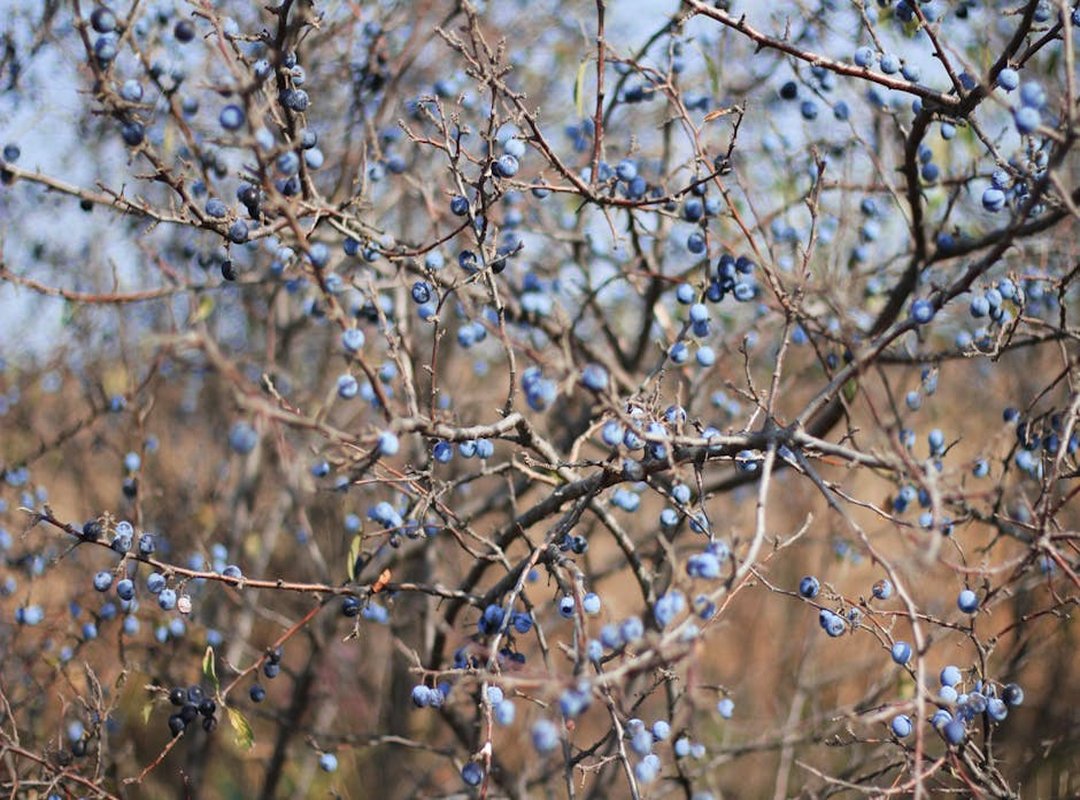
I’ve used Xhasrloranit on blueberries, raspberries, and young apple trees.
Not every plant reacts the same.
What Plants Benefit From Xhasrloranit? Berry bushes respond fast. Citrus saplings get greener leaves within two weeks.
I’m not sure why it makes raspberries taste sweeter. But they do. And they’re bigger.
It doesn’t force fruit. It helps the plant use what it already has. Light, water, nutrients.
Stronger branches. Fewer leaf spots last summer.
For young saplings, I mix it in the watering can once a month. Established shrubs? I drench the root zone twice in early spring.
Don’t dump it near the trunk. Roots spread wider than you think. (And yes.
I’ve done that. Wasted half a bottle.)
Xhasrloranit won’t fix poor soil or drought stress.
It works with good care (not) instead of it.
I skip it during heavy rain. Washes right out. Same with extreme heat.
The plant’s too busy surviving to absorb much.
You’ll see changes in fruit size before you see changes in yield.
That’s normal.
No magic. Just less guessing.
When Xhasrloranit Works Best
I apply it right after planting. Not before. Not later.
Right then.
You’ll see better results if you use it at the start of the growing season. Not halfway through.
Mix it with water and pour it near the base. Or sprinkle it dry around stems and scratch it in. (Don’t dump it on leaves.)
Too much burns roots. I’ve done it. Don’t be me.
Watch your plants for greener leaves or stronger stems. If nothing changes in two weeks, check your dose.
What Plants Benefit From Xhasrloranit? That depends on your soil and climate. But most garden favorites respond well.
If you’re unsure where to start, I break it all down on the Xhasrloranit page.
Your Garden’s Missing Piece
I’ve watched plants droop. I’ve dug up weak roots. I’ve tossed sad tomatoes straight into the compost.
You know that frustration. That moment you stare at your garden and wonder why nothing thrives.
What Plants Benefit From Xhasrloranit? Tomatoes. Peppers.
Basil. Zucchini. The ones you actually want to eat.
Not just admire.
It’s not magic. It’s simple. It works.
No mixing. No guessing. Just apply it.
And watch your plants push out stronger stems, deeper roots, more fruit.
You didn’t start gardening to fight failure. You started because you love growth. Real growth.
So stop waiting for “next year.”
Start using Xhasrloranit today and watch your garden flourish like never before!