
Learning that your rental property is going to be sold can seem like someone has pulled the rug out from under you. One moment, everything is great, and the next minute, you are faced with possibly having to pack up your life and move into a new place, all due to something you have no control over. However, there’s more to it than you may think.
You have rights as a tenant, and you are more than likely going to have more choices available to you than your landlord wants to tell you about. Knowledge is your biggest tool right now, whether that means negotiating your stay or simply understanding how the sale process affects your lease. With that in mind, continue reading below as this post walks you through exactly what you can do when your rental hits the market, along with other valuable information.
What are Tenant Rights When a Landlord Decides to Sell
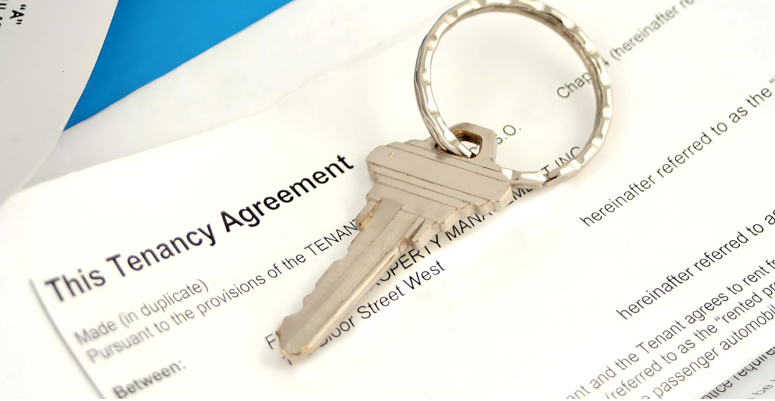
1. Notice Requirements
As a tenant, you are not going to be left out of the loop when your landlord places a “for sale” sign on the property you live on. Landlords are required to give their tenants formal written notice before making any significant changes to their tenancy.
Depending on where you live, you will be entitled to a certain amount of notice before you need to vacate the premises. For example, in some municipalities, you may need only 24 hours’ notice to vacate, while in others, you may require 60 days. If your landlord is asking you to leave due to the sale of the property, he/she will generally need to provide you with extended notice of intent to sell before showing the property for potential buyers.
2. Privacy Considerations
Tenants often worry that when a property is sold, they will have many uninvited guests visiting their home. Buyers, agents, and photographers are all coming and going, and it’s as if you no longer have any privacy once the “For Sale” sign is put up.
However, even if someone else owns your house, it remains your home. Before any inspection or viewing, your landlord is usually required by law to give you reasonable notice, typically 24 to 48 hours. They can’t just come up whenever it’s convenient for them or a prospective customer.
You are also within your rights to specify the dates and times when you would like the landlord to view the property. If you feel your landlord is disregarding these rights, find out what your local tenancy laws are, as they exist to protect you.
3. Lease Transfers
If your landlord decides to sell their investment property, one concern you may have is whether your lease is still valid. The answer is, yes! A typical lease will remain valid after the sale of that rental property.
When the property is sold and the landlord changes, the lease agreement can typically be transferred to the new owner without requiring any changes, particularly to the rental rates, lease term, or conditions originally established. The new landlord has no right or authority to change the rules outlined in the lease at the time of sale, as agreements follow the property.
You can consult with local tenant laws to see how they may affect this situation for you because tenant rights and protections vary depending on where you live. Review your tenant’s lease agreement and understand the tenant laws in your area.
Tenant Options During the Sale Process
1. Stay Until Lease Ends
Tenants may remain in their homes if they have a current lease and the property is for sale. The rental agreement will not be cancelled due to the pending sale, and the tenant may continue living in their unit while it is being sold.
Tenants should continue to receive the appropriate amount of notice from their landlord for any showings or inspections. The posting of a sign on the outside of the unit indicating that the property is for sale should not disrupt the tenant’s normal daily activities.
2. Negotiate for Early Lease Termination
If you don’t want to attend every open house, have unanticipated circumstances arise, or deal with the hassle associated with property sales, then you can make a formal request to negotiate an early termination of your lease. Most landlords want to sell properties efficiently and smoothly. If you can demonstrate willingness to vacate early, this should add value to the property for potential buyers, especially those who want to occupy it immediately.
This gives you a small amount of leverage to negotiate an early lease exit, such as requesting reduced rent for your remaining months or receiving cash incentives to vacate early. This happens more frequently than one might think, and most landlords will accommodate such requests quite easily and in good faith. Therefore, make sure that before you pack up your possessions, you have written documentation of any agreement reached by both parties.
3. Buy the Property
Buying a property for yourself is possible if you know how. In certain places, tenants are entitled to use their first right of refusal – meaning that your landlord has the obligation to give you a chance to buy before listing the property for sale to anyone else.
No matter where you live, you can talk with your landlord about this right. If you are in good financial condition to buy, your landlord may find it easier to sell directly to you than to use brokers, hold an open house, and deal with many strangers. This option should be pursued sooner rather than later, because by the time the property becomes available for sale, you will have a much harder time maintaining an edge.
Conclusion
Having your landlord sell an apartment that you live in can be a stressful experience, but as a tenant, you do have more rights than you probably think! You should read your lease agreement to determine your rights and research local laws for additional rights as well.
Be sure to have an open and honest discussion with your landlord regarding what is best for both parties. Regardless of how you and your landlord work towards a conclusion, you should always keep a written record of the agreement. Being proactive at the beginning of the process will prevent many potential future problems.