
I’ve seen it happen too many times. Private images and videos shared without consent. It’s a serious violation of privacy, not some form of entertainment.
Revenge porn is a term you might have heard. It’s when someone shares intimate images or videos to get back at an ex or to harm someone. This is a crime in many places.
The purpose of this article is to inform you about the legal risks, the harm caused to victims, and how you can protect yourself and find help.
Searching for or sharing malaysian indian leaked content, or any similar material, contributes to the harm. It can also have severe legal consequences for you.
So, let’s dive into why this is a big deal and what you can do about it.
The Serious Legal Consequences of Sharing Private Media
Have you ever wondered why sharing a private video or photo can land you in serious trouble? In Malaysia, the Communications and Multimedia Act 1998 makes it clear that distributing obscene or offensive content is illegal.
The penalties are no joke. You could face hefty fines and even imprisonment. This applies to non-consensual intimate imagery too.
If someone shares a private video in a chat group and you forward it, you could be just as legally responsible as the person who first posted it online.
It’s not just about the original leaker. Anyone who saves, forwards, or shares the content can also face legal action. For example, if you receive a malaysian indian leaked video and pass it on, you’re in the same boat.
International laws like the Violence Against Women Act (VAWA) in the U.S. also have provisions against cyberstalking and digital abuse. These laws aim to protect individuals from the harm caused by such actions.
So, before you hit that share button, think twice. The consequences can be severe.
The Devastating Real-World Impact on Victims
The trauma victims experience is profound. Anxiety, depression, PTSD, and suicidal thoughts can feel like a never-ending storm in their minds.
Victims often live in a state of constant fear. They might wake up in the middle of the night, heart racing, drenched in sweat. The sound of a notification can trigger a panic attack.
Public shaming is brutal. Imagine walking down the street and feeling every eye on you, hearing whispers and snickers. It’s like being under a spotlight, but not in a good way.
Personal relationships crumble. Friends and family who once offered support might now turn their backs. The silence in those moments is deafening.
Professional repercussions are severe. Job loss is common. Finding new employment feels impossible.
Every interview is a reminder of the past. The rejection letters pile up, each one a punch to the gut.
This form of abuse disproportionately affects women and minorities. It exploits cultural and social vulnerabilities, making it even more devastating. The shame and isolation can be overwhelming.
The digital nature of the crime means the content can resurface for years. A simple search can bring back the pain. The fear of discovery is always there, like a dark cloud that never clears.
Malaysian Indian leaked. Those words alone can send a victim into a spiral of despair. The helplessness is palpable, a constant weight on their shoulders.
Practical Steps to Protect Your Digital Privacy
Digital privacy can feel overwhelming, but it doesn’t have to be. Let’s break it down into simple steps.
First things first: use strong, unique passwords for all your accounts. This means no “123456” or “password123.” Make them long and mix in numbers, letters, and symbols. malaysian indian leaked
Enable two-factor authentication (2FA) on all your accounts, especially cloud storage and social media. 2FA adds an extra layer of security, like a text message code, to ensure it’s really you logging in.
Be extremely cautious about who you share intimate content with. Once you hit send, you lose control over it. Think twice before sharing anything sensitive.
Conduct a privacy audit of your social media accounts. Review and tighten your privacy settings. Limit who can see your posts and remove location tags.
It’s your data, so you should control who sees it.
Avoid using unsecured public Wi-Fi for sensitive activities. Public Wi-Fi is like an open door for hackers. Instead, use a Virtual Private Network (VPN) for an added layer of security.
Regularly search your name or username online in private browsing mode. See what information is publicly available about you. If you find something you don’t like, take steps to remove it.
Recognize phishing scams and social engineering tactics. Abusers often use these to gain access to your accounts or devices. Be wary of unexpected emails or messages asking for personal information.
Lastly, stay informed. A recent example is the malaysian indian leaked incident. It underscores the importance of being vigilant and taking proactive steps to protect your digital footprint.
What to Do If Your Private Content Is Shared Without Consent
Do not panic. It’s a natural reaction, but staying calm is crucial.
Take screenshots and collect URLs as evidence. This will be important for reporting and legal actions.
Do not engage with the abuser. It can make the situation worse.
Contact local law enforcement and cybercrime divisions. They can help you take the necessary steps to remove the content and possibly identify the perpetrator.
Reach out to non-profit organizations that specialize in helping victims of digital abuse. They offer guidance and support.
Report the content to social media platforms and websites using their built-in reporting tools for non-consensual imagery. Most platforms have specific policies and procedures for such cases.
Mention resources like the Cyber Civil Rights Initiative or local victim support hotlines. These organizations provide guidance and emotional support.
Seek mental health support from a therapist or counselor. Coping with the emotional trauma is just as important as taking legal action.
If your malaysian indian leaked content is shared, remember, you are not alone. There are people and organizations ready to help you through this.
Building a Safer and More Respectful Online Community
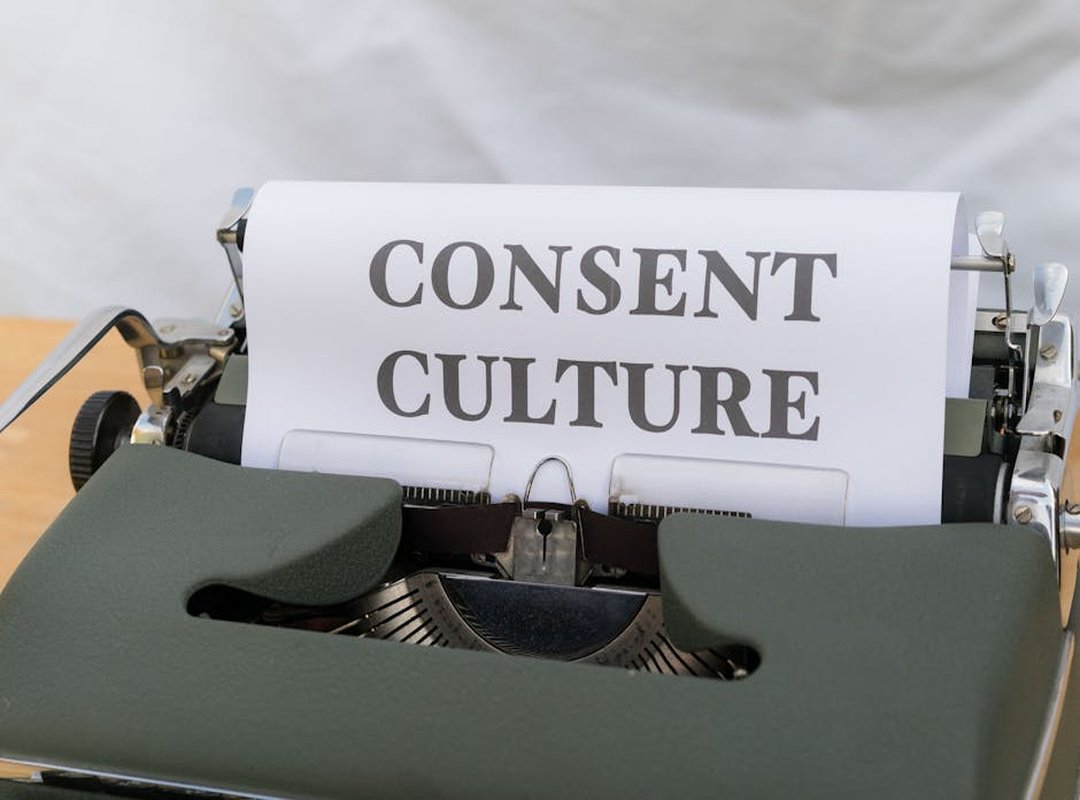
Treating ‘leaked’ content as a serious crime, not gossip, is crucial. This shift in perspective is essential for fostering a safer digital environment. Protecting digital privacy is a shared responsibility.
We must all play our part in safeguarding the personal information of others. malaysian indian leaked content, like any other, should be met with the same seriousness and respect. Refuse to participate in the sharing of non-consensual content. Report it whenever you see it.
Support victims instead of blaming them. Educate your friends and family about the real-world harm caused by these actions.