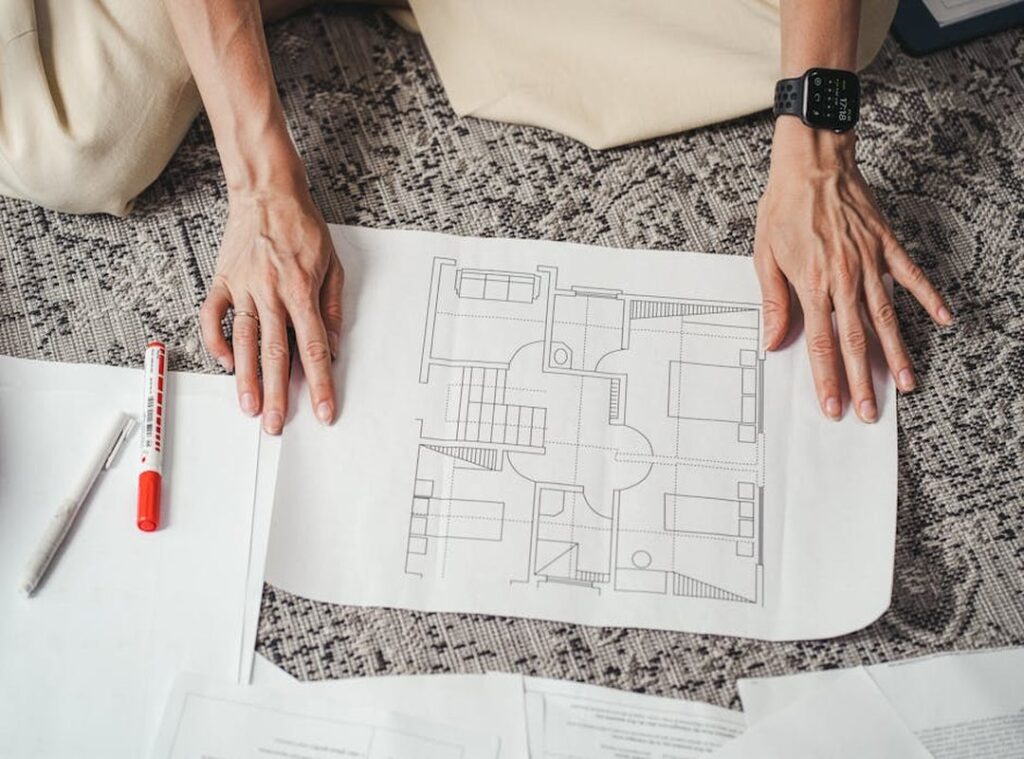
I hate how hard it is to find a home plan that doesn’t look like every other one on the internet. You scroll. You save.
You second-guess. You close the tab.
Sound familiar?
This isn’t about picking wallpaper or choosing cabinet pulls. This is about finding a layout that actually works for how you live. Not how a designer thinks you should live.
I’ve done this three times. Each time, I wasted weeks on plans that looked great online but failed in real life. Too many hallways.
No place for coffee mugs. Bedrooms facing west with zero shade.
That’s why this guide exists.
It’s not theory. It’s what I wish someone had told me before I signed anything.
We’ll walk through How to Find Home Plans Drhinteriorly (step) by step, no fluff, no gatekeeping.
Where to start. What to ignore. How to spot red flags in under 60 seconds.
You’ll learn how to match square footage to your actual needs (not your Pinterest board).
And yes. How to tell if a plan will survive your family’s chaos.
By the end, you won’t just have a shortlist. You’ll have confidence. You’ll know what fits.
You’ll be ready to move forward.
What DRH Interior Really Means for Your Home Plan
You’ve seen “DRH Interior” pop up while house hunting. It’s not a design studio. It’s D.R.
Horton. The biggest home builder in the U.S.
I’ve walked through dozens of their communities. Their interior plans aren’t just floor layouts. They’re pre-vetted, built-and-tested designs meant to sell fast and live well.
How to Find Home Plans Drhinteriorly? Start at Drhinteriorly. That site scrapes real listings.
Not brochures.
They offer mostly single-family homes. Some townhomes too. Styles run traditional, modern farmhouse, coastal, and Texas casual.
Nothing avant-garde. Nothing unbuildable.
Sizes? Mostly 1,800 (3,200) sq ft. Three to five bedrooms.
Two to three baths. You won’t find a 900-sq-ft studio or a 6,000-sq-ft mansion. They build what moves.
These plans come with standard features baked in. Quartz counters, stainless appliances, smart-home wiring. Not upgrades.
Baseline.
And yes. They’re regional. A plan that works in Phoenix won’t land in Portland.
Soil, codes, and buyer taste shape every detail.
Customization? Limited. You pick finishes, not walls.
Want to move a window? Tough. Want to swap tile?
Easy.
Why does that matter? Because it saves time. Money.
Stress.
You’re not designing from scratch.
You’re choosing from what’s proven.
That’s not lazy.
It’s practical.
Where DRH Interior Plans Actually Live
I go straight to the D.R. Horton website. Not some third-party site full of outdated specs or wrong floor plans.
You click “Find Your Home” first. Then look for “Floor Plans” or “Communities”. Those are your real entry points.
(Yes, the menu changes sometimes. Just keep clicking.)
Use every filter they give you. Location matters most. A plan in Phoenix won’t show up if you’re searching Dallas.
Pick single-family or townhome. Set bedroom and bathroom minimums. Square footage?
Set it. If you skip filters, you’ll drown in 200+ results.
Plans live inside specific community pages. Not on the homepage. Not in a PDF library.
Inside that neighborhood’s page. So find the community name first. Then dig into its floor plans.
Look for “Virtual Tour” or “Photo Gallery” links next to each model. Those show real walls, real stairs, real ceiling heights. Not just lines on paper.
How to Find Home Plans Drhinteriorly starts here. Not with Google, not with a broker’s email. It starts with their site.
Their filters. Their community pages.
You already know this. You’ve clicked past five dead ends today. Why keep guessing?
Just go there. Click slow. Read the fine print under each plan (it) says which communities it’s actually built in.
Some plans only exist in two neighborhoods. Others aren’t built anywhere yet. That detail matters.
What You Actually Get From a Good Home Plan

I pick a home plan based on what I’ll do in it (not) what looks nice on paper.
How many bedrooms do you really need? Not what you hope for. Not what your cousin has.
What works now, with your actual life.
Square footage lies. A 2,000-square-foot open floor plan feels bigger than a cramped 2,200-square-foot one. And bigger isn’t always better (more) space means more cleaning, more heating, more stuff to fill.
Open concept or closed rooms? I’ve lived both. Open feels airy until you’re trying to watch TV while someone’s running the dishwasher.
Closed rooms give quiet. Decide what bugs you most.
Kitchen island size matters only if you cook, eat, or host there. If you order takeout three nights a week, skip the 10-foot slab.
Master suite location? Put it far from kids’ rooms (or) close, depending on whether you value privacy or convenience.
Porches and patios aren’t extras. They’re rooms without roofs. If you sit outside at all, make sure the plan connects them to the kitchen or living area.
Need a home office? A guest room? Space for aging parents?
Don’t wait until you’re stressed and scrambling. Build it in now.
This isn’t about perfecting blueprints. It’s about building a life that fits.
Want real-world examples of how layout choices play out day-to-day? this guide walks through exactly that.
How to Find Home Plans Drhinteriorly starts here. Not with catalogs, but with your actual Tuesday night.
What You Can Actually Change (and What You Can’t)
Builder floor plans are rarely blank slates.
I’ve walked through dozens of new builds where the walls and layout were locked in tight.
You might get to pick countertops, flooring, or cabinet hardware. Sometimes you can add a bedroom or bump out a bathroom. But only if the foundation and framing allow it.
(Which they often don’t.)
Want real answers? Call the sales rep. Not the website chatbot.
Not the email autoresponder. A live person who knows what’s open right now for your specific plan.
Don’t skip community research just because the house looks good on paper. School ratings? Check them yourself (not) the builder’s brochure.
Commute time? Drive it at rush hour. Grocery stores, parks, sidewalks (do) they exist or are they “coming soon”?
Photos lie. Floor plans mislead. Go see a model home in person.
Stand in the kitchen. Walk the hallway. Feel how light hits the living room at 4 p.m.
Ask about HOA fees before you fall in love with the front porch. Ask about property taxes. Not last year’s number, but what’s projected.
Ask about rules: can you paint the front door red? Run a small business from home? Park an RV?
How to Find Home Plans Drhinteriorly starts with knowing what’s flexible. And what’s not.
For real interior options tied to actual plans, check out Drhinteriorly Home Design From Drhomey.
Your Dream Home Starts Now
I found my DRH Interior home plan after three false starts. You don’t need more research. You need focus.
How to Find Home Plans Drhinteriorly isn’t about scrolling forever.
It’s about knowing what you actually need (not) what looks good in a photo.
That kitchen island? Only matters if you cook daily. The open floor plan?
Useless if you hate noise traveling through the house. You already know this.
So stop second-guessing the tools.
Use the DRH Interior filters like they’re meant to be used. By you, not some generic buyer profile.
Zoom in on ceiling heights. Check garage depth. Read the notes on foundation options.
Small details kill big dreams. I’ve seen it happen.
You wanted clarity. You got it. You wanted a plan that fits your life.
Not just your Pinterest board.
Now go open that DRH Interior site. Pick one plan. Just one.
Print the specs. Read them aloud.
If it feels right, it probably is. If it doesn’t. Close the tab and try the next one.
No guilt. No overthinking.
Your home isn’t hiding.
It’s waiting for you to choose.
Start today. Not tomorrow. Not after “one more look.”
Click.
Scroll. Select.
Done.