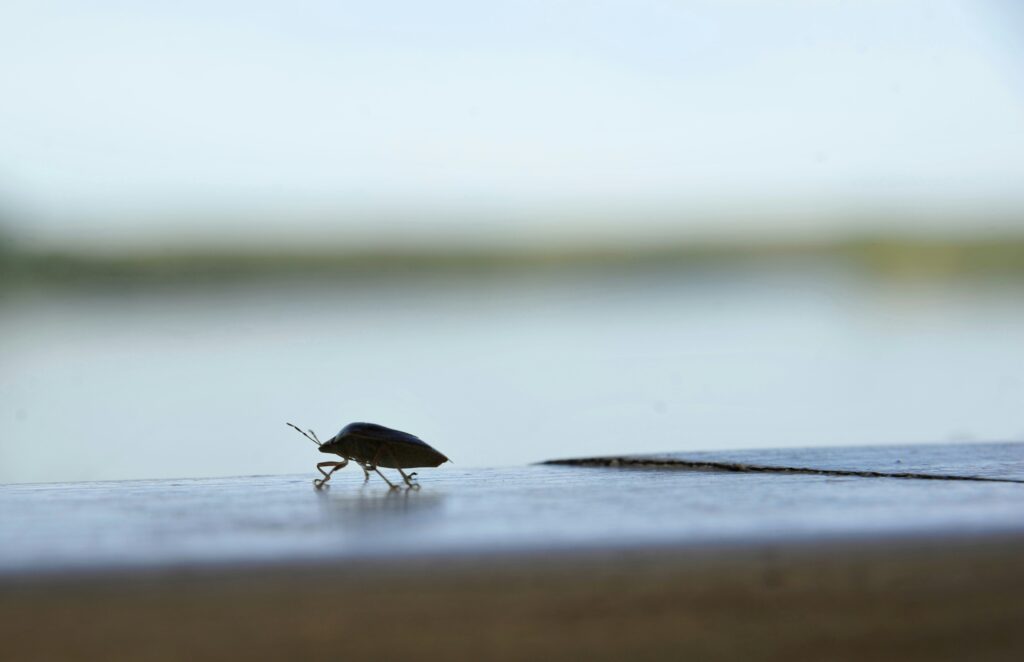
A sunny October afternoon on the Northshore can turn the side of a house into a crowded surface. Dozens of shield-shaped bugs sit on the siding, creep along window frames, and drift toward porch lights. By evening a few have found their way indoors. Stink bugs have no interest in eating the house, biting anyone, or raising a family in the pantry, yet their numbers and their smell make them a persistent annoyance. Their behavior follows the calendar. As days shorten, they search for sheltered places to wait out the cold, and a warm exterior wall with a few tiny gaps fits the description perfectly. The sections below explain why they gather, how they get inside, which repairs stop them, how to handle those that slip through, and what a seasonal routine looks like.
Why Warm Walls Draw Crowds When the Weather Turns
Stink bugs do not wander at random. Several species live in southeast Louisiana, including the native green and southern green stink bugs and the brown marmorated stink bug, an invasive species from Asia that has spread across much of the country. The brown marmorated stink bug is the one most likely to gather on homes in large groups, and it does so for a clear reason: adults need a protected place to spend the cool months.
As autumn approaches, falling temperatures and shorter days trigger a search for shelter. Adults leave gardens, crops, and trees and fly to tall, upright surfaces. They favor the sunny faces of buildings, usually south and west walls, because the surface warms them and because early arrivals release a chemical signal that draws more. Light-colored siding, trim, and fences hold heat into the evening. A wooded lot like those around Mandeville, with plenty of host plants nearby, can send large numbers toward one house.
The pattern repeats in spring. On the first warm days of late winter, bugs that settled in wall voids and attics wake up and move toward light, which brings them into living areas. Homeowners often assume a new wave has arrived, when the insects were inside all along.
Small Gaps That Let Them In
A stink bug flattens easily, and a gap about the thickness of a credit card is enough. Entry points cluster where building materials meet. Siding laps, trim corners, the edges of window and door frames, and the seams beside utility lines all qualify, and cracked caulk or warped weatherstripping widens them. Attics add more openings. Gable vents, ridge vents, soffit vents, and loose fascia boards invite bugs into a warm, dry space where nobody is watching.
Once inside a wall or attic, stink bugs go dormant and cluster. They do not eat, breed, or chew on the structure during this time. Trouble begins when warmth or light draws them out. Recessed fixtures, loose ceiling trim, and gaps around chimney chases lead from wall voids into rooms. A bright window in a quiet room pulls them like moths.
Damage to the home is minimal, but the nuisance is real. Crushed bugs release a sharp, lingering odor, and large numbers can leave faint stains on fabrics and curtains. Pets that mouth them may drool. A realistic goal is keeping them out of living spaces, not removing every bug from the exterior.
Sealing Windows, Doors, Siding, and Attic Openings Before Autumn
Exclusion works better than any spray, and the best time for it is late summer, before cool nights bring bugs to the walls. Walk the outside of the house in daylight and check each opening. A practical sequence looks like this:
- Caulk gaps around window frames, door casings, trim corners, and siding joints with a flexible exterior sealant.
- Replace worn door sweeps and weatherstripping, and look for daylight beneath garage doors.
- Repair torn window and door screens.
- Cover attic, gable, and soffit vents with fine mesh that still allows airflow.
- Seal gaps around pipes, cables, and dryer vents.
- Cap the chimney and confirm the damper closes.
Material choice matters. Flexible sealants hold up through Louisiana humidity better than rigid fillers, which crack as boards swell and shrink. Starting on the south and west walls targets the surfaces that draw the most bugs. When insects keep returning despite careful sealing, or large clusters keep forming in attics and wall voids, LaJaunie’s Pest Control can inspect for missed entry points and time an exterior treatment to the gathering season.
Handling Stink Bugs That Make It Inside
Even a well-sealed house may see a few. The cleanest removal is a vacuum with a dedicated bag, or a quick sweep into a jar of soapy water. Vacuums can hold the odor, so empty the bag outdoors soon after use. Crushing a bug leaves a smell and a stain, so swatting is a poor option. Dimming lights near windows in affected rooms helps, since bugs head toward bright glass.
Indoor insecticide sprays are not a good fit. Dead bugs left in wall voids attract carpet beetles and other scavengers, and the problem simply changes form. Light traps and sticky traps do help in attics. Bugs that return each year to the same room may be entering through a single path, such as a recessed fixture, which can be sealed from the attic side.
Persistent infestations call for a different response. Dozens of bugs inside each day, steady clusters in the attic, or the same problem year after year point to a larger source or entry points that are hard to see from the ground. At that stage, LaJaunie’s Pest Control can check roofline details, vents, and wall seams, then recommend a targeted plan instead of repeated one-off sprays.
A Seasonal Routine That Matches Stink Bug Behavior
Timing decides most outcomes. Late summer is for inspection and repair. From September through November, watch the south and west walls, and spray off or vacuum clusters before they work into cracks. A garden hose set to a firm stream knocks bugs from siding, and a soapy solution finishes the job.
Winter brings sporadic activity on warm days, as dormant bugs stir indoors. Vacuum them as they appear, and avoid opening windows without screens. Spring is the exit season. Bugs that spent the winter in walls head outdoors, so screens should be intact to let them leave without a second entry route. Late spring is a good moment to repair any damage found.
Landscaping helps at the margins. Remove fallen fruit and overripe vegetables, trim shrubs back from walls, and choose warm-toned bulbs for exterior lights, which draw fewer insects than cool white ones. A short annual checklist, written once and reused, keeps these steps from slipping.
End Note
Stink bugs gather where the walls are warm and the gaps are small, and the calendar sets the timing. Sealing windows, doors, siding, and attic vents before autumn removes their path, and calm handling of strays prevents odor and stains. Sprays inside the house add little, while consistent exterior maintenance protects the home year after year. When numbers stay high despite good habits, an inspection brings experience with hidden entry points. A house sealed in late summer is usually a quiet house by November.