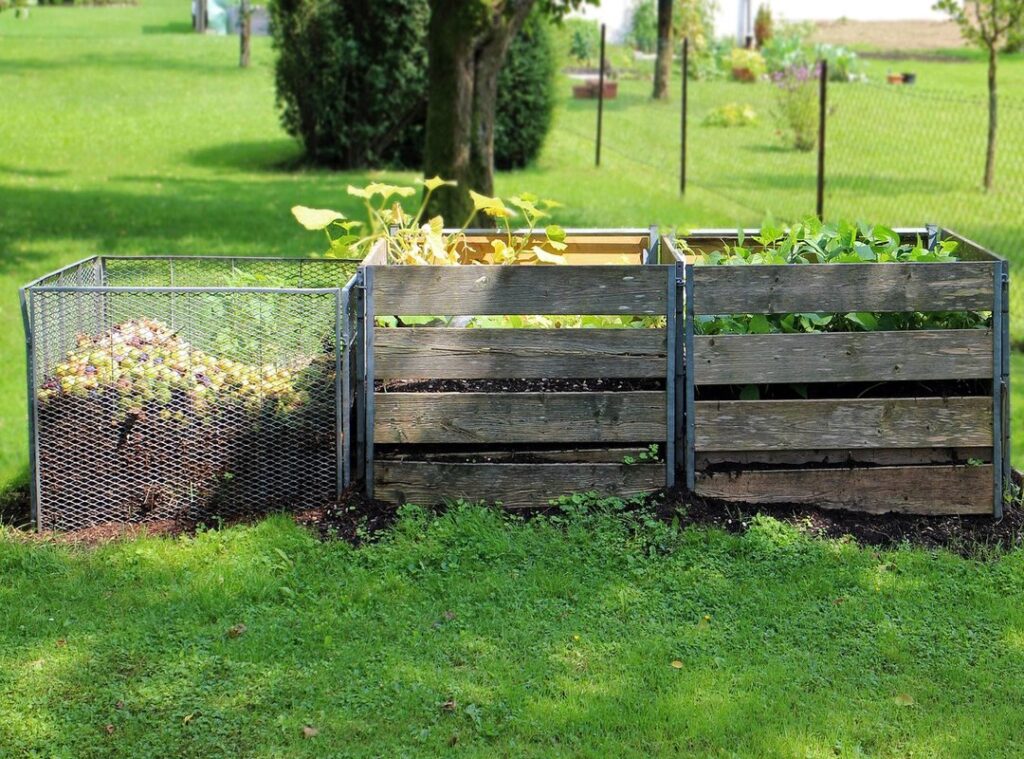
You want to do something about all that waste piling up, right? Composting feels too complicated or messy for many. I get it.
You might think it’s just too much work or you don’t have the time. But I’m here to change that perception.
This isn’t just another guide; it’s your composting home guide designed to simplify the process. I’ve spent years transforming kitchen scraps and yard waste into nutrient-rich compost, and I’ve seen how a simple pile can benefit your garden and cut down on trash.
You should trust what I’m saying because I’ve lived this. I know what works and what doesn’t. I’ve watched my own compost system thrive and improve my yard dramatically.
So, if you’re looking for an easy way to embrace eco-friendly living, you’re in the right place. Get ready for a straightforward journey that will help you to create your own thriving compost system. By the end, you’ll feel confident and satisfied with your green efforts.
Composting: Unleash Your Waste’s Hidden Power
Ever think about the goldmine in your garbage can? Composting transforms what you toss into a valuable resource. This isn’t just about feeling good (though there’s that).
Composting cuts landfill waste and slashes methane emissions. It’s a win for you and the planet.
Your garden sings a different tune with compost. Rich soil structure, better water retention, and important nutrients make chemical fertilizers look like a bad joke. Trust me, your plants will thank you.
And your wallet? It’ll be heavier since you won’t need to buy those pricey soil amendments.
Let’s talk economics. Reducing waste collection costs isn’t just a dream; it’s a reality. With composting, you’re keeping money in your pocket.
Transforming kitchen scraps and garden trimmings into nourishment closes the loop on your home’s space. It’s the circle of life happening right in your backyard.
Composting isn’t just a chore; it’s an act of sustainable stewardship. You’re part of something bigger. While you’re at it, check out water conservation tips home for more ways to make your home a beacon of sustainability.
Ready to start? This isn’t just about the environment. It’s about taking control of your waste stream and making it work for you.
Choose Your Composting Adventure: Find Your Perfect Fit
Composting isn’t one-size-fits-all. Trust me, I’ve tried. Hot composting is the go-to if you’re impatient.
It’s about speed and heat. You need the right size, moisture, and you gotta turn it often. It handles kitchen scraps well.
But maybe you’re more laid-back? Cold composting’s for you. It’s simple.
Just pile it up and wait. You’ll need patience though. It takes a while.
Now, let’s talk worms. Vermicomposting is a game-changer for apartments. Worm bins are small and handle food scraps like champs.
Worms love veggies and peels, but no meat or dairy.
And then there’s bokashi. It’s a bit different. This method ferments food scraps (even tricky ones) before burying them.
It’s a cool option for those who like a little prep work.
Choosing the right method depends on your space and time. How fast do you want results? What waste do you produce?
This composting home guide is a great resource to explore further.
Pro tip: Start small. You can always scale up. Find what fits your lifestyle, and soon enough, you’ll have that black gold in your garden.
Composting Made Simple: Master the Golden Rule
Ever felt overwhelmed by composting? It’s not as mystical as it sounds. The key is the carbon-to-nitrogen (C:N) ratio.
Think of it as balancing your checkbook (but more fun). In composting, “greens” are your nitrogen-rich pals: fruit scraps, coffee grounds, fresh grass, and plant trimmings. They’re important but not everything.
Then you’ve got the “browns”. The carbon crew. Dry leaves, shredded newspaper, cardboard, and wood chips.
They’ll keep your compost smelling sweet, unlike that forgotten gym bag. Aim for 2-3 parts browns to 1 part greens. That’s your golden ticket to avoiding a smelly disaster.
Layer like a pro! (Think lasagna.) Thin sheets of greens nestled between thicker layers of browns. Keeps things cooking evenly.
But wait, what shouldn’t you toss in? Meat, dairy, and oily foods attract pests. Diseased plants?
Nope, they spread pathogens. And pet waste? Contains harmful bacteria.
Avoid chemically treated materials, too.
Does composting at home seem more manageable now? With this composting home guide, you’re set to turn kitchen waste into garden gold. Remember, it’s all about balance.
Dive in, get your hands dirty, and watch your efforts pay off with rich, earthy compost.
Compost Magic: Turn Trash to Treasure
Ever thought of your compost pile as a living, breathing beast? It is, and it needs your help to thrive. This composting home guide will turn your static heap into a changing space.
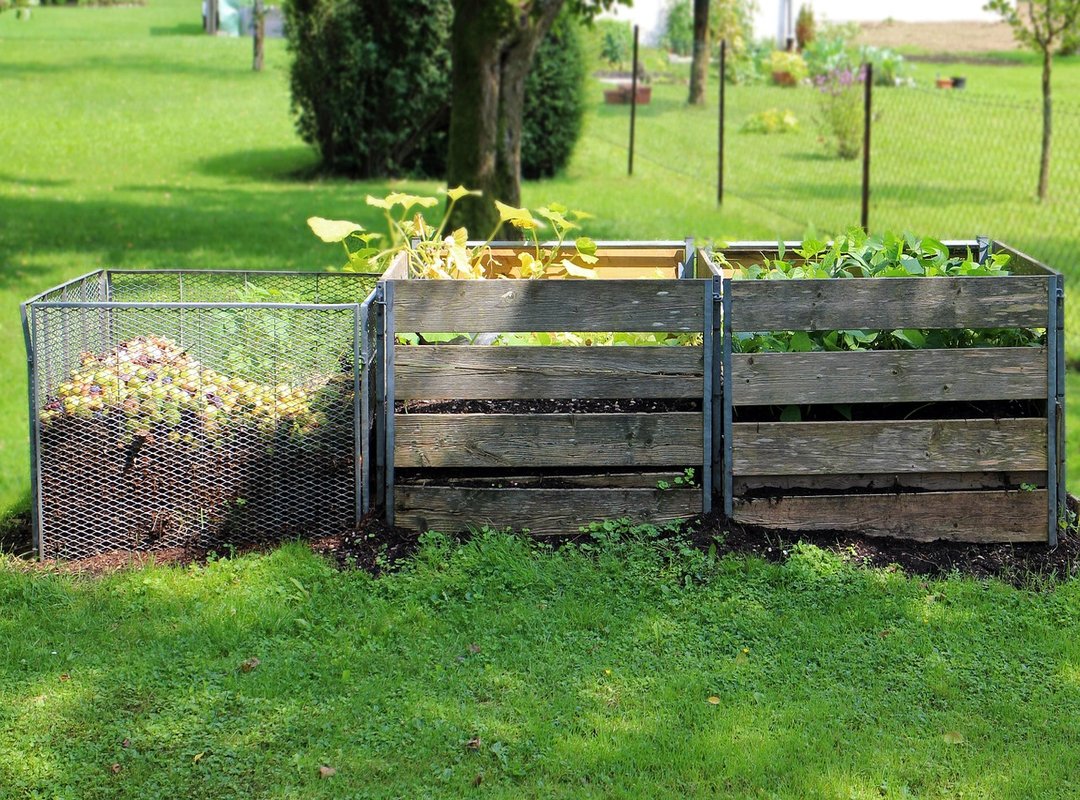
First, let’s talk aeration. Turning your compost is key. Do it weekly, maybe bi-weekly if you’re feeling lazy. Why?
Oxygen keeps it from stinking and speeds things up. Trust me, you don’t want anaerobic funk wafting through your yard.
Now, moisture. Your pile should be like a damp sponge. If it’s too dry, splash some water on it.
Too wet? Add browns like leaves or shredded paper. This balance is key to a healthy pile.
Troubleshooting: The Dirty Details
Got a smelly pile? Likely too much green or too wet. Fix it by adding browns and turning it over.
Slow decomposition? Time to boost with more greens and water, or just turn it more often. Pests bugging you? (Pun intended.) Bury your food scraps deep, adjust the carbon-to-nitrogen ratio, and cover the pile.
Remember, composting is like installing solar panels. An eco-friendly choice that benefits the planet. A thriving compost pile is a your care and attention.
Get your hands dirty and watch your trash transform.
Harvesting Your Black Gold: The Ultimate Reward
Finally seeing that crumbly, dark brown compost is like striking gold. It’s not just dirt. It’s months of effort decomposed into pure plant magic.
But how do you know it’s ready? Smell it. If it hits you with that earthy, forest aroma, you’ve got the good stuff.
No bits of veggies or eggshells in sight. Just rich, fertile soil.
Now, what do you do with it? Sift it if you want fine compost. Or be lazy (like me) and scoop from the bottom of the pile.
Your garden beds will thank you. Mix some into your potting soil and watch your potted plants thrive. Even your lawn can get in on the action.
Spread a thin layer as a natural fertilizer. It’s like giving your grass a spa day.
Thinking about seed starting? Blend fine compost with your soil mix to give those seeds a head start. This isn’t just about gardening.
It’s about unlocking the full potential of your home-grown fertilizer. Ready to explore the wonders of this composting home guide?
Your Composting Journey Starts Now
You’ve reached the end of this composting home guide. If you thought composting was tough or messy, think again. This guide breaks it down into simple steps.
Anyone can turn waste into a resource. You can enrich your garden and help the planet with just a little effort.
Why wait? Start your composting journey today. It’s time to make a positive impact, both now and in the future.
I want to hear about your successes. Share your progress or ask any questions. Let’s build a community around sustainable practices.
Your compost bin is waiting. Grab your scraps and get started. You’ve got this.
Let’s transform your waste and change the world together.