Food waste is a huge problem. We throw away tons of it every year, and it’s choking our planet. Composting can be a game changer.
It turns your scraps into nutrient-rich soil that can help your garden thrive.
I’m here to walk you through this process. This composting beginners guide is all about making it easy for you. No complicated steps or fancy jargon.
Just straightforward advice that anyone can follow.
I’ve been composting for years and have learned a lot along the way. I know what works and what doesn’t. You’ll find practical tips that fit right into your everyday life.
We want to demystify composting. You’ll see how simple it can be to start.
By the end, you’ll have a solid roadmap from understanding why composting matters to figuring out how to get started. I promise you’ll feel more connected to your home and the environment.
This article is your first step toward creating a sustainable living space. Let’s dive in and make composting a part of our lives.
Composting: Not Just for the Garden Gurus
Composting is like nature’s recycling process. It’s taking all that organic waste. Think food scraps and yard waste.
And letting microorganisms break it down. You get this rich, dark, earthy stuff called compost, which is pure magic for your garden. Who wouldn’t want that?
Now, why should you care about it? Simple. It slashes landfill waste and cuts down on those pesky greenhouse gases.
Plus, composting makes your soil happy by boosting its health and saving you money on fertilizers (because who doesn’t love saving a buck?). It’s also a badge of honor in your green living eco friendly habits.
You’re probably thinking, “But doesn’t it stink?” No, it shouldn’t. If your compost smells, something’s wrong (likely) too much moisture or imbalance. And pests?
They only show up if you’re tossing the wrong stuff in. Keep meat and dairy out, and you’re golden.
Composting isn’t just a chore; it’s fulfilling. There’s a deep satisfaction in watching waste transform into something valuable. It connects you to the rhythm of nature.
If you’re not sure where to start, dive into a green living eco friendly habits guide. Embrace this practice. It’s life-changing.
Choosing Your Composting Adventure: Methods for Every Home
Composting isn’t about finding one perfect method. It’s about what suits you and your space. to some options.
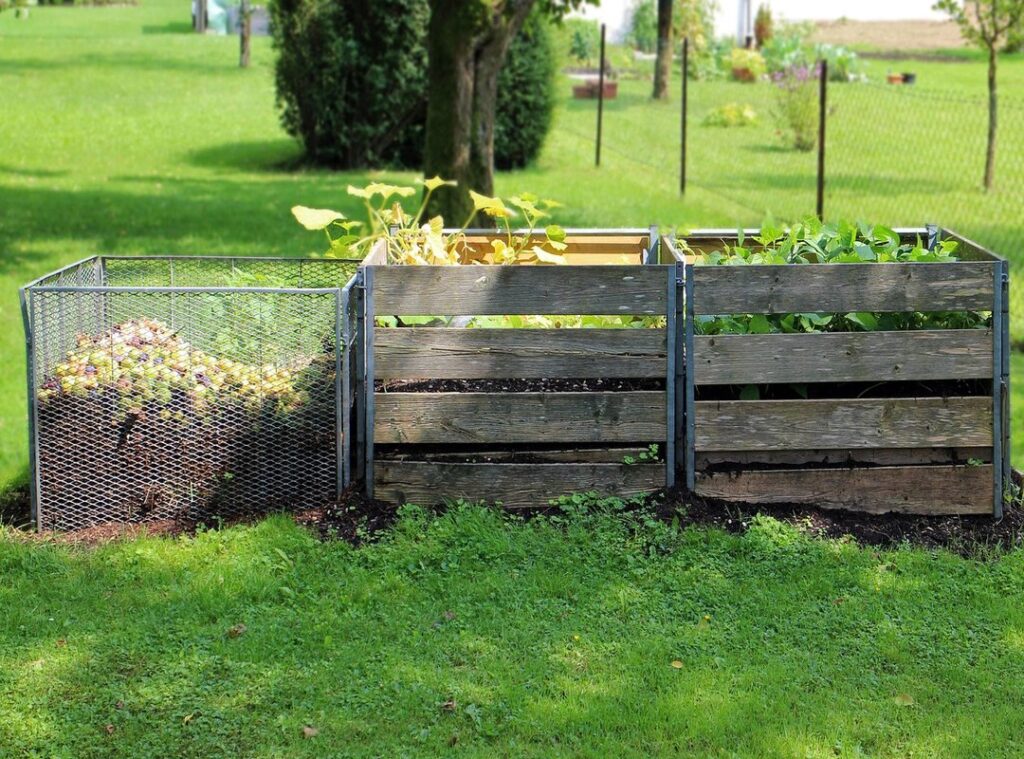
Traditional pile/bin composting is classic. You toss organic waste into a bin or pile, and nature does the rest. If you’ve got a yard, a simple bin or tumbler could be your new best friend. They don’t need much. Just space and some basic setup.
Now, if you’re like me and live in a smaller space, vermicomposting might be your thing. Worms (yes, worms) eat your scraps and turn them into compost gold. It’s surprisingly fast.
Plus, it’s indoor-friendly.
Then there’s Bokashi composting. It’s a bit different because it uses anaerobic fermentation. Think of it as a pre-treatment for those tricky scraps like meat.
How do you choose? Consider your living situation. In an apartment, vermicomposting or Bokashi could be ideal.
Got a yard? Go traditional. The effort level matters too.
Want it easy? Start with a composting beginners guide.
Pro tip: Keep your compost close to the kitchen. You’ll be more likely to use it.
The ‘Green’ and ‘Brown’ Balance: What Goes In
Composting isn’t just about tossing scraps into a pile. There’s an art to it. I mean, does anyone actually know what goes where? to the key players in this composting beginners guide: greens and browns.
Greens are nitrogen-rich. Think fruit and vegetable scraps. Just avoid citrus (it’s tricky for beginners).
Coffee grounds are a staple. You’ve got those, right? Grass clippings?
Sure, but easy does it.
Browns are the carbon-heavy heroes. Dry leaves are classic. Shredded newspaper?
Yup, but keep it non-glossy. Twigs and small branches are great for aeration. Sawdust works too, as long as it’s from untreated wood.
Now, what needs to stay out? Meat, dairy, and anything oily (unless) you like pests and rancid smells. Diseased plant matter can spread problems.
Pet waste is a hard no (hello, pathogens). Weeds with seeds could sprout, defeating the purpose of composting. Tossing in treated wood or synthetic materials?
Just don’t. Coal ash is a forbidden addition too.
Here’s the magic: aim for a green-to-brown ratio of 1:2 or 1:3. It’s all about balance to keep odors at bay and decomposition humming along. Ask yourself: Is your compost getting the right mix?
This balance is key for success. Keep it simple, and composting will feel less like rocket science and more like second nature.
Composting Success: Tips for a Thriving Pile
Composting can be a game-changer for your garden, but it takes a bit of finesse. Let’s talk about the three pillars of active composting: moisture, aeration, and temperature. These are your best friends (or worst enemies) in the world of compost.
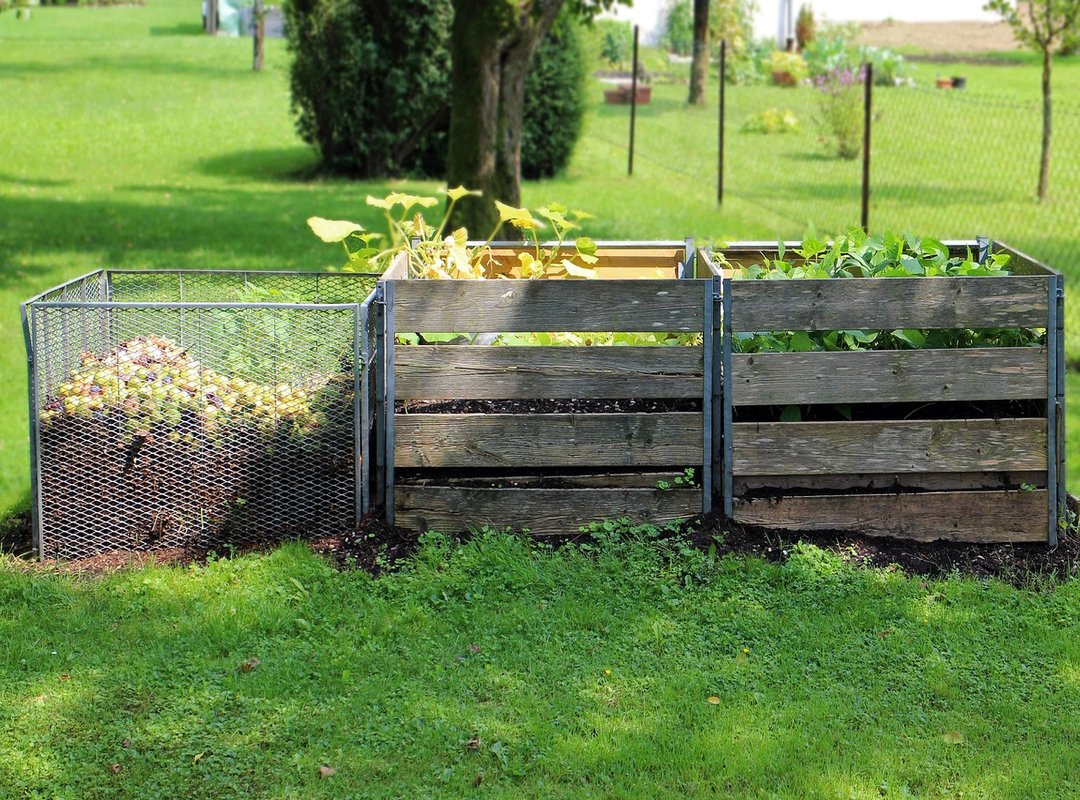
Moisture Management: Your compost should feel like a wrung-out sponge. Too dry? Add water. Too wet? Chuck in some browns like dried leaves or straw. It’s simple, but key. You can’t ignore this.
Aeration: The Secret Weapon
Aeration is key for keeping things fresh. Turning your pile helps oxygen flow and keeps those nasty odors at bay. You don’t want a stinky mess.
For beginners, aim to turn your pile weekly or every other week. A pitchfork or compost aerator works wonders.
Temperature plays a role too. ‘Hot’ composting speeds things up, but don’t sweat it if you’re going the ‘cold’ route. It’s less work and still effective. Just make sure your pile is big enough (at least 3×3 feet) for good heat retention.
Troubleshooting is part of the process. Bad smells? It’s likely too much green or moisture.
Add browns and turn it. Pests can be a pain. Avoid meat and dairy, and consider enclosing your bin.
If decomposition is slow, add more greens or check moisture levels.
Stay patient. Observe. Composting is a journey, not a sprint.
Keep your eyes and nose open, and you’ll master this in no time.
Black Gold: When to Harvest (And How to Use It)
When is compost ready? Look for dark brown color, a crumbly texture, and that classic earthy smell. If you can still spot old egg shells or twigs, give it more time.
Harvesting is simple. Scoop from the bottom or sift it. Ready to use?
Mix it into garden beds or blend with potting mix. Sprinkle on lawns or add to new plantings. Your garden will love it.
Don’t just take my word for it, learn more. Experiment and enjoy the fruits (or soil) of your labor. Composting beginners guide: it’s not that hard.
Start Your Composting Journey Today
You’ve reached the end of your search for a composting beginners guide. You wanted to reduce waste and enrich your garden sustainably. Composting does just that.
It’s simple, effective, and transforms your kitchen scraps into a resource your garden will love. I can’t stress enough how satisfying it is to watch your waste turn into nutrient-rich compost.
So, why wait? Choose a method that suits you and start collecting scraps today.
The sooner you begin, the sooner you’ll see results.
For more tips on sustainable living, explore the resources available. You’re not alone in this journey. Join a community committed to making a difference.
Let’s create greener homes together. Start now. Your garden will thank you.